We are all able to view Club member profiles via the Club Directory Member Directory | Opted In Members | Rotary E-Club of the Southwest, USA. Below is a recap of our members by State, City (Province) and Country (if other than the USA). If your address or email is incorrect, please update in My Rotary or under your E-Club Member Profile.
Let's connect! Send me an email with something of interest and include a photo. It can be about you, your family, where you live, what you do, what you would like to do, and most important…how can our Club serve you and your community. I will compile responses and publish in upcoming bulletins. I also challenge us to reach out to one another, especially those residing in the same cities or nearby states. I look forward to hearing from you! email me - president@recswusa.org
Arizona, Chandler – Brian Shaw
Arizona, Prescott – Steve Canter; Eric Denniston
Arizona, Scottsdale – Sandy Abalos; Jim Bissonett; Jonathan Mazinter; Lee Dueringer
Arkansas, El Dorado – Kenneth Bridges
California, San Marcos – Mel and Judy Taunt
Colorado, Lone Tree – Wendy Nelson
Connecticut, Woodbury – Irene Hanley
Florida, Palm Beach – John Strasswimmer
Illinois, Western Springs – Peter DeBerge
Mississippi, Ocean Springs – John and Virginia Dugaw
Nevada, Las Vegas – Maureen McKinley
New Mexico, Albuquerque – Carol Anderson; Kim Covill
Nuevo Leon, Monterrey Mexico – Oscar Carreon Garcia
Oita, Nakatsu Japan – Hirotake Yamato
Texas, Houston – Howard Henderson
Utrecht, Netherlands – Simone Siemons
Not disclosed – Vimal Hemani; Ryofu Pussel; Yvonne Lammertink
My husband and I were recently awarded the Triple Crown Donor Recognition by DG Joe Sweeney. So, what is a Triple Crown? So glad you asked!
Triple Crown Requirements
To qualify for Rotary’s Triple Crown, a Rotarian must hold all three of the following recognitions at the same time:
Major Donor — Cumulative personal giving of $10,000 or more to The Rotary Foundation.
Paul Harris Society Member — An annual commitment of $1,000 or more to the Annual Fund, PolioPlus, or an approved global grant.
Bequest Society Member — A documented estate or planned gift of $10,000 or more to The Rotary Foundation.
These three components represent Rotary’s full spectrum of support: past giving, current annual giving, and future planned giving.
What the Triple Crown Represents
The Triple Crown designation recognizes Rotarians who demonstrate leadership‑level support of The Rotary Foundation. By fulfilling all three giving pathways, recipients show a long‑term commitment to sustaining Rotary’s humanitarian work locally and globally.
The purpose of any donation to fund The Rotary Foundation is to do good in the world by advancing world understanding, goodwill and peace by improving health, providing quality education, improving the environment, and alleviating poverty.
It took us YEARS to become a Major Donor; we began with $100 monthly contribution through My Rotary Sign In | My Rotary. It's easy to set up an automatic contribution, can be monthly, quarterly or annually.
Rotary has mobilized quickly and compassionately in response to the devastating floods impacting communities across Nepal. Entire villages have been displaced, critical infrastructure has been washed away, and families are facing urgent needs for shelter, clean water, and medical support.
Rotary clubs in Nepal, supported by global partners, have activated emergency teams to distribute essential supplies, establish temporary shelters, and coordinate medical assistance. This collaborative effort demonstrates the strength of Rotary’s worldwide network and our shared commitment to serving communities in crisis.
This video provides firsthand accounts from affected regions, highlights the work of local Rotary members, and shows how Rotary resources are helping families begin the long road to recovery. It is a powerful reminder of what we can accomplish when we unite across borders to support those in need.
Thank you for your questions and inquiries, the following is information and resources to help you navigate Clubrunner and our website
Our club meetings have migrated from meeting content published on our website to a bi-weekly email bulletin newsletter that goes directly to your email inbox.
Clubrunner notifies us when you open the meeting bulletin email, thus we can monitor club member participation.
You no longer need a login to access our website, it's now open to the public with the ability to launch a club public image and social media campaign to increase interest.
Once in the website, there is a member login in the top right corner. Click here and the Clubrunner login will appear to access club and member information. If you do not recall your user name or password, you may reset or have Clubrunner send you a “magic link”. If you are still unable to login to Clubrunner - go to www.clubrunnersupport.com for direction
Clubrunner Mobile App - we recommend downloading the mobile app. Go to www.clubrunner.ca to learn more. Stay connected with our RECSWUSA club news, District 5495 news, and Rotary International news all in one place. I love the “find a member” search in our Club or District. It's my “go to” on the run!
Rotary Club Locater Mobile App - another great resource for the travelers out there. Instantly locate a “Rotary Club Near Me”, including where they meet, time, day and contact information. We are an E-club, what a great way to connect with others!
Please use this link to make club dues payments and club contributions. Email Brian Shaw - treasurer@recswusa.org with any questions or concerns.
We are able to monitor meeting attendance by tracking who opens the bi-weekly bulletin. Our attendance statistics to date are:
July 27th bulletin - 21 out of 26 - 81%
August 10th bulletin - 21 out of 26 - 81%
August 24th bulletin - 19 out of 26 - 73%
September 7th bulletin - 20 out of 26 - 77%
There are two members that have not opened any bulletin emails, we are reaching out to insure emails are correct and spam filters are not blocking. This level of engagement is much higher than our previous meeting postings on the website. Thank you for attending!!!!
RYLA (Rotary Youth Leadership Awards) scholarships are important because they fully fund life-changing leadership camps that teach high school and junior high school students vital communication, teamwork, and problem-solving skills at no cost to the participant. With matching funds from The Rotary Foundation (District Grant), our club is providing $2000 in scholarship funds for both RYLA and Jr. RYLA for next year’s camps. That pays the entire attending cost for 4 students. Here are some key benefits of this:
Leadership Growth: Students learn how to turn motivation into action and become dynamic leaders in their schools and local communities.
No-Cost Access: A scholarship pays for all camp tuition and activity fees, meaning financial hardship does not stop talented youth from attending.
Networking and Friendship: Attendees meet inspirational speakers, connect with community and business leaders, and make lifelong friendships with peers from outside their usual circles.
Future Opportunities: RYLA alumni often gain access to other prestigious programs like international youth exchanges, Rotaract, or future college scholarship
Basic Education and Literacy is one of The Rotary Foundation’s seven areas of focus. We know that basic education and literacy are essential for reducing poverty, improving health, encouraging community and economic development, promoting peace and supporting the environment. Just imagine for a moment what your life would look like if you could not read. Consider these facts: · If all women completed primary education, there would be 66% fewer maternal deaths. · A child born to a mother who can read is 50% more likely to survive past the age of five. · If all students in low-income countries left school with basic reading skills, 171 million people could be lifted out of poverty, which would be equivalent to a 12% cut in world poverty.
Literacy is a focus of our Rotary E-club of the SWUSA. We support the Books to Brilliance Foundation through Club District Grants. Kim Covill, our club service chair, is a founder of Books to Brilliance. The following are excerpts from their origin story.
With a $3000 grant from the Dr. Seuss Foundation, the three founders of From Books to Brilliance purchased 967 books in Managua for beginning and intermediate readers. In 2007 Maggie Covill, Emily Lopez Padilla and Kim Covill planned to create a library in a remote village of central Nicaragua. To their delight, much of the literature was locally written and published, perfectly suitable for its future readers.
While volunteering with a medical delegation from the University of Texas Medical Branch-Galveston (UTMB), the founders placed their precious cargo atop an old yellow school bus, the vehicle that would transport the doctors, dentists, nurses, medical students, and translators to Mulukuku. Packed with luggage and supplies to last for three weeks, the bus seemed overloaded. Nonetheless, they headed to the Maria Luisa Ortiz Women’s Cooperative, knowing that bunkbeds, mosquito nets, good food and clean water awaited them.
The idea for a book project began the summer before, after Kim visited an elementary school in the nearby village of Santa Rita, while translating for the delegation. In a one-room, unpainted and windowless shack she was appalled to see students doing math problems on a worn-out blackboard and scraps of paper. In tropical heat and humidity, the children sat in old wooden desks on a dirt floor. There were no books. After introducing herself and with the children listening, the teacher declared “Estos niños no tienen futuro,” or “These children have no future.” Shocked by that reality, Kim began to promote the future of those students through a simple, yet powerful literacy program.
What a Rotary week! I attended the Rotary Zones 26-27 Institute held at the Wigwam Resort in Goodyear, Arizona (just 40 miles from my home). This year's theme, Camp Big West, set the stage for engagement, education, inspiration and so much FUN! After attending so many Rotary functions one would think “I've heard it all before”, however NOT TRUE. The speakers and stories are exceptional, and I always walk away with more appreciation, more gratitude, and more desire to do good things! The Institute marks the final education and training for the District Governor Elects as they prepare for their term as District Governor beginning July 1, 2027. The responsibility of a District Governor is enormous, the position is an honor, and the experience is life changing. Pictured above from left to right is me, Colleen Coons (District Governor Elect for 2027-28) and Teresa Haire (District Governor Nominee for 2028-29).
My husband, Alan Havir, was the District 5510 Governor in 2011-2012. That experience led us to a heightened understanding of all that Rotary is, lifetime friendships across the globe, experiences we would not have otherwise encountered, and a constant community of support, service and appreciation. Rotary is our beacon in a world of need.
Rotary E-club of the Southwest USA Club Business and Resources.
Thank you for your patience as we gain proficiency with our club website design, functionality and meeting bulletin content
In additional to our migration from DACdb to Clubrunner, Paypal updated their software leaving us with another club modification. Please use this link to make club dues payments and club contributions. We will place this on our website as well. Reach out to Brian Shaw - treasurer@recswusa.org with any questions or concerns.
Super Cool Clubrunner Mobile APP
I highly recommend downloading the Clubrunner Mobile app, go to https://www.clubrunner.ca to learn more. Stay connected on the go with our RECSWUSA club news, District 5495 news, and Rotary International news….all in one place! You can “find a member” in our Club or District, read our bi-weekly meeting bulletins and connect to our website!
Rotary Club Locater Mobile APP
For the travelers out there, check out this resource! Instantly locate a “Rotary Club Near Me”, including where they meet, time, day and contact information. We are an E-club, what a great way to connect with others!
Sandy Abalos, President 2026-27 Black sand beach of Pailoa Bay - Maui
Our most recent travels took us to Maui, where the Road to Hana invited us into a slower rhythm. With every twist and turn, the road opened onto views of breathtaking beauty — lush greenery, cascading water, rugged coastline, and the vast Pacific stretching beyond sight. Coming from the pace and noise of a large metropolitan city, I found in Maui a rare calm: the kind that settles quietly over you and reminds you to breathe, notice, and be grateful.
That sense of peace also reminded me why community matters. As Rotarians, we understand that stewardship begins with gratitude and grows through action—caring for our neighborhoods, supporting one another, and honoring the beauty of the world we share. Maui offered adventure and awe, but it also offered a quiet invitation: to return home more mindful, more generous, and more committed to serving both people and place. Aloha
Huge thanks to Jim Bissonett, Mel Taunt, and Omar from Clubrunner. We’ll be adding more content as we go—so much to learn! Our first online meeting of the Rotary year is tomorrow morning, and we hope everyone can join. Let’s connect, share our Rotary passions, and explore how our E-club can partner in local projects. I’d love to hear from everyone—what’s happening in your area, what’s new with you, your travels, career updates, goals, life lessons, or anything you’d like to share. Let’s create and exchange stories of interest!
E-clubs around the world are connecting, sharing ideas, challenges, and successes. The last meeting topics included - how to serve virtually and how to measure impact and communicate it effectively. Some on-line clubs select a theme each month (food insecurity, literacy, etc.), encourage members to engage locally, and send in pictures that are shared in the next meeting. Several E-clubs are cause based and aligned with a Rotary Action Group (Malaria, Peace, Human Trafficking, etc.). One club shared a “Member Impact Form” that members complete for each service project, this information is then entered into the Rotary International Service Project Center and submitted to the District newsletter. So many opportunities for meaningful engagement, please email me, with your ideas. abalos.sandy@gmail.com
ShelterBox is a disaster relief organization started by Rotarians that provides emergency shelter and vital aid to families affected by conflict or disaster. Their aim is to help rebuild communities by offering durable shelter and the tools necessary for recovery. Their aid includes ShelterBoxes and Shelter Kits, along with other essential items like cooking sets and school supplies.
We provide books and library materials for young readers in Kenya, Africa in cooperation with From Books to Brilliance.
From Books to Brilliance is an all-volunteer non-profit that provides access to books and educational materials in underserved communities of the world. Our own club member, Kim Covill, has a leadership role in this organization and will help guide this project. We will partner with the Rotaract Club of Naivasha, Kenya.From Books to Brilliance (FBTB) received the Naivasha YMCA Public Library's April report in which they state: We continue to face a significant shortage of Competency-Based Curriculum (CBC) books and trained volunteer CBC teachers. This situation makes it difficult for them to borrow books for personal study, forcing us to rely on group study sessions instead. Our club will donate funds to help purchase textbooks for primary grades one to five.
We give scholarships to junior and high school students to attend RYLA.
In Rotary, RYLA stands for Rotary Youth Leadership Awards. It's a leadership training program for young people, usually between the ages of 12 and 17, that helps them develop character, leadership skills, and learn more about Rotary. RYLA programs often involve intensive training, experiential learning, and opportunities to connect with other young leaders.
Over the past several decades, global literacy rates have significantly increased. The main reasons for such an upward trend stem from the evolution of the educational system of many developing countries, and an increased acknowledgement of the importance of education to these societies in their respective entireties. Still, many nations are struggling with the provision of educational resources to better their populaces, building the necessary infrastructure it requires and ensuring regular enrollment of students within their schools. Nonetheless, even those countries lagging well behind global norms realize how necessary it is to supply high-quality education to the masses in order to compete and succeed in the global market.
According to the latest research on literacy and learning, we find many countries from all around the world with a literacy rate of more than 95 percent. To help readers learn more about the world leaders in this field, we have highlighted the countries with the highest literacy rates from across the globe.
Making 100% Literacy Rates Happen
High educational standards are seen in countries all around the world, but the literacy rate in some countries, like Andorra, Luxembourg, Norway, Liechtenstein and a few others can’t be ignored. Within these, literacy reaches virtually 100 percent.
Andorra is one such country with virtually 100% of its populace being literate. A part of Southwestern Europe, its government directs by law that every child between the ages of 6 and 16 is required to submit to compulsory attendance within its school systems. The Andorran government has managed to provide free schooling up to the secondary level of education. This, along with a percentage of its GDP being allotted for the education sector, has resulted in very high literacy rates in Andorra. Similar practices are observed in other countries, such as Finland, where around 7% of GDP is spent on education.
Other Nations with Near-Complete Literacy
A literacy rate that hovers around 100% is seen in quite a few other countries of the world, including Azerbaijan and Cuba. Countries such as Georgia, Tajikistan, Russia, Poland, and Slovenia have also all achieved literacy rates on or near 100%. Focusing on Russia, it is estimated that 53% of the population there receives some form of tertiary education. The government believes in free educational deliverance systems, and the fields greatly focused on therein are in “STEM” fields (science, technology, engineering, and mathematics).
Turning towards countries like Slovakia, Turkmenistan, Uzbekistan, and Kyrgyzstan, they remain in the range near 100%. Slovakia has 20 publicly operated universities and 10 private universities. Indeed, citizens from many of the countries constituting the former Soviet Union and “Eastern Bloc” countries can lay claim to having some of the highest access to tertiary level educational opportunities in the world.
Should Other Countries Follow the Leaders?
The decrements seen as we move from the top of the list for countries with the highest literacy rates down to the bottom can be largely explained by the percentage of these countries’ respective GDPs that are apportioned to the education sector. A lack of educational infrastructure, as well as how important the population of a country considers attaining education, greatly influences literacy rates. From the countries where literacy rates are the highest, we see that proactive public instruction policies and the emphasizing of educational spending within government budgets can go a long way in increasing a population’s knowledge base.
As we celebrated the International Day of Peace on 21 September, we also celebrate the 70th anniversary of the Universal Declaration of Human Rights. International Peace Day is an opportunity to recognize and advance the strengthening the ideals of peace, inclusivity, and justice. The vast Rotary network offers many resources for peacebuilding, intercultural understanding, the advancement of interpersonal and intercultural dialogue, and fostering goodwill locally and abroad. Rotary’s partners provide clubs and districts with direct access to technical guidance, strategies, and resources to be successful with peacebuilding projects, reconciliation programs, and conflict mitigation:
Mediators Beyond Borders International (MBBI) works with clubs, districts, and Rotary alumni to improve a communities’ capacity to heal from conflict, reconcile differences, and prevent the escalation of future issues to build more a more stable future. MBBI trains Rotarians and Rotaractors to be peace facilitators, engaging Rotary alumni to be synergists and project leaders, assisting clubs with community assessments and conflict prevention/resolution projects, and connecting the Rotary network with peacebuilding resources.
Peace Corps provides opportunities for Rotary and Rotaract clubs to work alongside U.S. volunteers training in the humanitarian development sector to empower communities and connect them to resources for a brighter future. By working on water and sanitation, economic and community development, or basic education and literacy projects, Rotarians, Rotaractors, and Peace Corps Volunteers together lay the foundation for peace, stability, and prosperity.
Literacy skills are essential for participating in family life, your community, learning and employment and to access services. Literacy skills help people solve day to day problems and make the most of opportunities in life.
The Literacy Rotarian Action Group (LitRAG) is a network of Rotarians around the world who have a special interest in acting upon the mission and goals of Rotary International related to alleviating illiteracy; enhancing literacy teaching and learning globally, and helping to provide materials and equipment for literacy education at different levels.
Literacy refers not just to letters and written text, but also to other multimodal, technological and symbolic representations that we encounter daily. Without basic literacy skills, everyday tasks are harder – whether it be reading a bus timetable, applying for a loan or job, finding information on the internet, enrolling in a course, taking medicine, or reading to your child. Not being able to do these important activities can lead to a person feeling less confident in themselves and their abilities. It can also lead to experiencing higher levels of social and economic disadvantage. With the support of your Rotary club, taking on a literacy project can help you make a significant difference in people’s lives.
Rotaract clubs around the world address basic education and literacy
Rotaract clubs in Taiwan worked together to develop a series of year-round activities to support 150 indigenous students to learn a wide range of cultural perspectives and physical education. One of the goals of the project was for the students to experience in-person what they learn about in their textbooks. Rotaract club members led field trips to art museums, science labs, presidential offices, local museums and shops so students could learn about their own traditions and culture.
The Rotaract Club of Mumbai Ghatkopar developed a local school’s library and provided access to handwashing facilities, clean drinking water, and new toilets. By teaming up with local corporations, individual donors, and Rotary alumni, the club raised over INR 250,000 for the construction and donated school uniforms, shoes, books, and sports equipment for the school’s 80 students
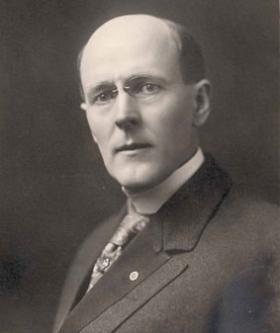
For more than 110 years, Rotary members have been addressing challenges around the world. Grassroots at the core, Rotary links 1.2 million members to form an organization of international scope. It started with the vision of one man — Paul Harris.
In the year of 2014, on the occasion of the month that celebrates the Rotary membership, the following invitation is postulated, I have retaken it and applied it to our month and year:
Say it loud and clear. Show your friends in social networks how proud you are to belong to our organization. To do this, during the month of August, change the photo of your profile on Twitter and Facebook to the graphic I'm a Proud Member, I'm a Proud Rotaractor or I'm a Proud Interactor (I'm proud to be a Rotarian, Rotaractor or interactive, respectively).
Share Rotary
Exchange ideas If you want to share with other Rotarians a strategy for the development of membership that has been successful in your community, publish it in the Membership Best Practices forum.
We are Rotary. Use the hashtag #WeAreRotary to post photos on Facebook, Twitter, Instagram or Vine of your club's members participating in service projects to show everyone that Rotary has a positive impact on the world.
I know the inspiration. Rotary clubs are known for the service projects they undertake in communities around the world. Disclose your club's service projects in the Rotary Showcase. Follow us on Facebook, Twitter and Instagram to see how Rotarians around the world celebrate the Month of Membership.
What does Rotary mean to you? Rotarians have taken polio to the brink of eradication, provided clean water to the needy, improved living conditions in their communities, provided scholarships to the new generation of paladins of peace and continue to do good in the world.
It's time to share with others what Rotary has done in you. Divulge Rotary, Share Rotary, Live Rotary, and ... do not forget: you are the Inspiration
August is a time for celebration for all Rotarian"s around the world. Time to celebrate all the people reaching out to help others. To celebrate our club, and our members and the work we do as a group and the work we do individually. Celebrate SERVICE ABOVE SELF.
Every new member brought into any Rotary Club during the year should be celebrated. Showcasing their dedication to serving others, and work they have done outside of Rotary. As we celebrate new members, let us show our pride as Rotarians, wearing our pins, and sharing the accomplishments of Rotarians around the world.
We all got to Rotary in different ways. How did we get to this organization? Were you invited to attend a meeting, attended a Rotary event, or family ties? However you managed to find your way, something in Rotary clicked with your needs to serve others and share your talents. Rotarians come from many countries, but each has a desire to serve and share with others.
Rotary members around the world have pushed polio to the brink of eradication, delivered clean water to those in need, improved their local communities, provided scholarships to the next generation of peacemakers, and continued to do good in the world. What is your story? We would like to hear it.
What does Rotary mean to you? A few of our eClub Members have shared their stories. These members come from different walks of life and countries.
Visiting Prague, in autumn, has a tinge of romance but also of ease. It is a beautiful city, culturally one of the richest in Europe and the atmosphere is always relaxed. But the city invites you to meet one of its most famous, world-known characters: the great writer Frank Kafka (1883-1924).
He is considered one of the most influential writers of his generation, although his scholars still can not agree on his inspiration and motives when writing.
His best-known works include "Die Verwandlung" ("The Metamorphosis"), Der Process (The Trial), and Das Schloss (The Castle). Kafka always unique, and in a certain sense, always alone. It is said that the unique relationship with his father framed him for life. From his famous work :
Metamorphosis we extract the following quote:
“Traveling is tiring, but I could not live without traveling”.
Living Rotary can be tiring. Work as a team, make plans, cross borders, collect money and at the end of the day, try to convince everyone, that it will be good for those involved. The temptation to do it alone is always at the door, but it is a false path, behind that door is only anarchy.
In the Rotary membership month, renew your commitment to your club, Living Rotary can be difficult, but nothing compares to being a Rotarian.
A healthy club is one that is growing and changing. Having members with diverse perspectives and backgrounds will fuel innovation and give your club a broader understanding of your community’s needs.
Pay attention to how your members are feeling about the club. Research shows that one of the most common reasons members leave is that club leaders are not open to new ideas. Involving members and giving them a voice in their club’s future will strengthen both the club and members’ commitment to Rotary. This is part of a larger document that can be downloaded. Click to access.
Our club has had a net increase in members in the past year.
Our club has had a net increase in female members in the past year.
Our club has had a net increase in members under age 40.
That "maybe it couldn't," but he would be one Who wouldn't say so till he'd tried.
So he buckled right in with the trace of a grin On his face. If he worried he hid it. He started to sing as he tackled the thing That couldn't be done, and he did it.
Somebody scoffed: "Oh, you'll never do that; At least no one has done it"; But he took off his coat and he took off his hat, And the first thing we knew he'd begun it. With a lift of his chin and a bit of a grin, Without any doubting or quiddit, He started to sing as he tackled the thing That couldn't be done, and he did it.
There are thousands to tell you it cannot be done, There are thousands to prophesy failure; There are thousands to point out to you one by one, The dangers that wait to assail you. But just buckle it in with a bit of a grin, Just take off your coat and go to it; Just start to sing as you tackle the thing That "couldn't be done," and you'll do it. -Edgar Albert Guest
As a Rotary Club that meets online, we are unable to depend on the financial support from a single local community for our service projects. As a result, weekly donations from our members and visiting Rotarians is our primary fundraiser. From your donations, the Rotary eClub of the Southwest USA can support Rotary initiated service projects around the world. In the spirit of Rotarian service, we ask that you make a donation. If you are a visiting Rotarian doing a make-up, we ask that you consider an amount that is equal to your meal price at your regular Rotary meeting.
Donation Payment Options
PayPal
Check
You can make a contribution via PayPal by clicking the button below.
If you prefer, you may write a check to the Rotary eClub of the Southwest USA and mail it to our treasurer at:
Carol Anderson, Treasurer PO Box 52138 Albuquerque NM 87181-2138 USA
Thank you for attending this online meeting of the Rotary Club of the Southwest USA. To complete the meeting and have your attendance recorded, you will need to complete the Google attendance form below.
Some mobile devices may not be displaying the form correctly. If you are experiencing this problem, you can access the form directly in a separate page by following this meeting registration link.
If you are experiencing issues accessing or using this Google attendance for, please contact us so that we can identify your issues and resolve it.
After you complete and submit the form, you will receive an email that will serve as a record of your attendance. Guests can forward the email to their club secretary.
The Four-Way Test, was created in 1932 by Rotarian Herbert J. Taylor when he was asked to take charge of a company that was facing bankruptcy.
One of the world’s most widely printed and quoted statements of business ethics is The Four-Way Test, which was created in 1932 by Rotarian Herbert J. Taylor (who later served as RI president) when he was asked to take charge of a company that was facing bankruptcy.
This 24-word test for employees to follow in their business and professional lives became the guide for sales, production, advertising, and all relations with dealers and customers, and the
survival of the company is credited to this simple philosophy. Adopted by Rotary in 1943, The Four-Way Test has been translated into more than a hundred languages and published in thousands of ways.
Charlotte Perkins Gilman, a leading North American writer of the late nineteenth and early the twentieth century, in her work, "The yellow wallpaper" a novel essay about how the conventional roles that society can apply to people can lead, not only to the disintegration of the individual but also of society itself.
Born in a poor home, a disengaged mother reaches adulthood and gets married. After her first pregnancy, she enters a postpartum depression and her case gets worse until she almost commits suicide. Her therapist recommended absolute rest to her of all physical and intellectual activity. Two months after following the treatment, and on the verge of the death, she decides to follow the opposite way to the therapy. She discovers herself as a writer, social activist, and provocateur. Her life changes, finding a cause of service gives him the opportunity to be born again.
The yellow wallpaper is a short novel published by Password, about a woman who suffers from a mental illness after two months locked inside the house. Its objective was to show how the lack of autonomy of women was detrimental to their mental, emotional and even physical health.
From this terrifying story of this great American writer, we can extract a great lesson in life: you can be dead in life. It is not until we make the decision to give a meaning to our existence that we come back to life. We must stop dying, and live again, How? Retakes a cause of service to others. Who does not live to serve, says the proverb, does not serve to live. That is exactly Rotary, space, a place, a moment, where converge men and women who have decided to stop dying to live again. I invite you to be the inspiration.
By Elizabeth Usovicz, Public Image Coordinator for Zone 31
English was not my father’s first language. And like a lot of second language learners, he was an avid reader. He especially liked Conrad and Melville and read their bodies of work not once but several times during his life. As a young man, it was not uncommon for him to drop my mother off at her home after a date and head for a neighborhood diner, book in hand, to read and drink coffee until the night waitress closed up and shooed him home.
Later in life, he added Louis L’Amour westerns to his list of favorites. One of the simple and great pleasures of his day was to settle into a comfortable chair in the evening to revisit a favorite read for a second or third time – or more.
Why did he prefer to re-read, rather than switch to something new? I asked him once. His answer, like him, was straightforward but not necessarily simple: it was a good book the last time, and he got something new from a book every time he read it.
“…everything has a past. Everything – a person, an object, a word, everything. If you don’t know the past, you can’t understand the present and plan properly for the future.” Chaim Potok, Davita's Harp
Defined as: “the act or fact of doing something that involves danger or risk in order to achieve a goal”
Take A Risk: The Odds Are Better Than You Think
As you look back on your career and life to date, where do you wished you’d been a little braver, trusted in yourself more, and been less cautious in the chances you took?
Does anything come to mind? When speaking to people in their forties and beyond, many tell me that if they could do their career over again, they’d have taken more risks, settled less and spoken up more often. In short, they wished they’d been more courageous in the risks they’d taken. Perhaps you relate.
This is a breakout session conducted on July 25, 2018, at the Rotary International Convention in Toronto.
"Did you know that Rotary has over 300 e-clubs worldwide? If you’re a member of an e-club or are thinking about starting one, or if your traditional club wants to incorporate online elements, join us for exciting presentations and discussions about the options. We’ll share best practices for e-clubs in communication, fundraising, project development, fellowship, and collaboration with other online clubs."
In addition to the presenters that were in the room, there were also Rotarians who presented from other parts of the world.
180723-Best Practices For E Clubs RI Convention 2018
When do you develop a plan for building leadership?
How do you develop a plan to build leadership?
In working to improve our communities, leadership is our most important resource. It is the engine that pulls the train. If you are involved in any group or organization, you will need to develop leadership in order to accomplish anything of significance.
Why? Because it is leaders who make things happen. It is leaders who have a vision, take initiative, influence people, make proposals, organize logistics, solve problems, follow-up, and - most of all - take responsibility.
The complex problems we have in our communities will require many people who are willing and able to lend an active hand and work together to solve them. Whether you want to create more jobs in your community, stop child abuse, improve tenants' rights, or accomplish any other community goal, you will need many leaders working together. The old model of one leader on top, with many followers at the bottom, isn't workable anymore.
That is why leadership development should be a central activity for any leader.
You can develop a team of leaders around you. Leadership doesn't have to be a lonely business. You can train people to competently share your responsibilities, vision, and commitment. Source: The Community Toolbox
It isn’t right when kids bully other kids. I can’t stand it. No matter what we look like we are all the same. “Don’t judge a book by its cover” as the saying goes.
One of my friends at school has special needs. She is very sweet but sometimes she has to go to her special needs class. She is the same as us but her brain just does not work the same.
One time I saw her crying because someone called her weird and questioned why she kept going to special classes. I gave her a big hug. Later that day I thought to myself, “Is it the truth?’’ It is not true to call her weird just because her brain works differently than other people.
‘‘Is it fair to all concerned?’’ No, it is not fair to bully my friend and say she is weird. Everybody is their own unique person and doesn’t need to be the same as everyone else.
“Will it build goodwill and better friendships?” Calling someone “weird” just because they are different will not build goodwill and better friendships. Being mean and hurting people’s feelings doesn’t help you make friends.
“Will it be beneficial to all concerned?” It is not beneficial to all concerned because it is causing a problem for me, my friend, the teachers, and my friend’s parents. If everyone was exactly the same, the world would be a boring place.
I hope my true story has inspired you to stop bullying and prevent it too.
ReCSWUSA member John Wintersteen is one of the Rotary District 5495 advisors traveling with the Interact ambassadors to Kenya with a Crutches for Africa service project.
The group arrived in Nairobi at 12:50 am after 55 hours of travel. John reports that they got through Customs and Immigration by 2:00 am and to the bed and breakfast by 2:30 am. It takes a while to get the baggage -- including medical supplies, handmade dresses for little girls and several thousand water pasteurization kits made by Arizona Interact Clubs -- stowed, covered and tied down on the roof of the mini-bus.
They are organized so they can get to the right stuff for delivery at each stop.
Imagine living in a small village of 139 people located 1 km from the shores of Lake Chapala, Mexico, the largest freshwater inland lake in Mexico and you have to buy bottled water. Where a Mexican prison and a gated community within 3 km from the village, on the same road, have on-site water treatment facilities and your village doesn’t? If you’re part of the “lucky” half of the village to have access to water provided by the Chapala Municipality you may not have the money to pay for water connections to your house and within your house or the annual water bill those who do get water it is found to be of questionable taste and safety.
The Navajo Nation is located in an area of Arizona, New Mexico, and Utah. The Navajo are 67 times more likely than other Americans to live without running water or a toilet. Many Natives can't get enough clean water, creating a cycle of poverty that limits health, happiness, educational opportunity, and economic security.
The Navajo Water Project seeks funding to continue existing and on-going efforts by St. Bonaventure Indian Mission and DIGDEEP, both non-profit organizations, to provide clean, running water to approximately 205 Navajo American families living within the Smith Lake Chapter in New Mexico. Currently, these homes do not have running water and must rely on barrels of water that are set outside their home. These barrels are filled once every two weeks by truck. The amount of water amounts to only 7 gallons per home per day. The average American uses over 80 gallons per day per person.
Today we have a special program to start our new Rotary year 18/19. We are going to present our new board of directors, and we will do it in a vintage way, remembering the formal parts of a conventional Rotary program.
We will touch the Rotary bell, we will have a moment of inspiration, the Rotary minute, a space of fellowship, we will remember the quadruple test, so distinctive of the rotarism; and, as a central part of our program, we will introduce each of the members who will participate in the administration of the club this year.
In response to the June 3rd eruption of Volcán de Fuego in Guatemala, ShelterBox sent a team to understand the problems that families are facing. Working with the community, the team determines how we can help with emergency shelter aid to help families start to rebuild their lives.
The Rotary eClub of the Southwest USA board of directors has authorized a targeted fundraising campaign to support the ShelterBox relief effort. The goal is to raise enough money to purchase 2 ShelterBoxes at 1000 USD per kit. ReCSWUSA will match dollar for dollar up to 1000 USD. We have reached this goal. That does not mean that we need to stop there. You can go to ShelterBox – 2018 Volcán de Fuego to make your donation.
Long time Rotary E-club member, Hiro Yamato, provided this beautiful photo in 2018 of Hydrangeas. Thank you, Hiro, for your contributions to Rotary over the years and sharing the beauty of Japan with us.
Together, we see a world where people unite and take action to create lasting change — across the globe, in our communities, and in ourselves.
The Rotary International Board of Directors adopted the above statement to describe the vision of our organization. I believe that our club is well position to take on this vision. I will start with the first word – together. ReCSWUSA is more than a single individual. I want to thank this year’s club board of directors. I want to thank Carol Anderson, John Dugaw, Steve Canter, Ola Olugbodi, and John Wintersteen for agreeing to continue serving the club in their board roles for this past year. While we may not have always seen eye-to-eye on all issues, their valuable input and counsel was given in the best interest of your club. My next thank you goes to Steve Cervantes who was willing to take on a club leadership role as new Rotarian. Thanks to Hiro Yamato, Ginny Dugaw, and Victor Esperón for filling the positions that became vacant throughout the course of the year. In addition to filling these roles, they help maintain the diversity of perspective that needed to reach good decisions for the club. Last – and far from least – Óscar Carreón and Wendy Nelson are owed my deepest gratitude. Without them being willing to serve as future club presidents, this would have been our last meeting.
Next, I want to examine where people unite and take action to create lasting change. As an international English-speaking club, we provide a place for our members and guest a to learn about the issues/problems from around the world and how Rotary can play a part in making a difference. The Rotary eClub of the Southwest USA is known for its members who give their time, treasury, and talent in service to humanity. I think that the verbs unite and take are key in this phrase because they are in the present tense. While we celebrate our accomplishments of the past, we do not rest on our laurels. While we plan, we do not procrastinate when it comes to bettering the lives of other.
I will end with the phrase in ourselves. I want to thank each of you for the opportunity to serve as your club president. The time that I have spent producing our meetings has enriched my knowledge of the power of Rotary. It has given me fresh insights on what I can to make a difference through the connections we make here. Writing this weekly corner has led to another lasting change for me. When I was first asked if I would be willing to serve as president, this corner was at the top of the list of reason to decline. The thought of attempting to write something each week felt daunting. As my term wound down, I realized that I had found a voice that I will continue to write with less of a Rotary focus.
I would like you to spend time this week thinking about Rotary’s Vision Statement. I am a better person by working for lasting change around the world and in my local community. I have heard multiples times here in Toronto, Rotary helps me be my better self. As we enter Óscar’s year as club president, please consider the world that you want to see.
Basari Akura is a predominantly farming community in the Volta region of Ghana. The nearly 1,000 people that live there lack access to sufficient clean water, undermining health, education, and productivity of both adults and children. My club, the Rotary Club of Hohoe, is working with USAID and the government to extend the benefits of the Rotary-USAID Partnership water, sanitation and hygiene program in Ghana to Basari Akura.
On 27 July, I visited Basari Akura with the partnership program leaders in Ghana: Ako Odotei, chair of the project management committee and Theophilus Mensah, the project manager. We were also joined by a member of the Rotary Club of Ho, the other Rotary club in the Volta Region, and a local representative from our USAID partner, Global Communities.
Together, we see a world where people unite and take action to create lasting change — across the globe, in our communities, and in ourselves.
The Rotary International Board of Directors adopted the above statement to describe the vision of our organization. I believe that our club is well position to take on this vision. I will start with the first word – together. ReCSWUSA is more than a single individual. I want to thank this year’s club board of directors. I want to thankCarol Anderson, John Dugaw, Steve Canter,Ola Olugbodi, and John Wintersteen for agreeing to continue serving the club in their board roles for this past year. While we may not have always seen eye-to-eye on all issues, their valuable input and counsel was given in the best interest of your club. My next thank you goes to Steve Cervantes who was willing to take on a club leadership role as new Rotarian. Thanks to Hiro Yamato, Ginny Dugaw, and Victor Esperón for filling the positions that became vacant throughout the course of the year. In addition to filling these roles, they help maintain the diversity of perspective that needed to reach good decisions for the club. Last – and far from least – Óscar Carreónand Wendy Nelson are owed my deepest gratitude. Without them being willing to serve as future club presidents, this would have been our last meeting.
Next, I want to examine where people unite and take action to create lasting change. As an international English-speaking club, we provide a place for our members and guest a to learn about the issues/problems from around the world and how Rotary can play a part in making a difference. The Rotary eClub of the Southwest USA is known for its members who give their time, treasury, and talent in service to humanity. I think that the verbs uniteand takeare key in this phrase because they are in the present tense. While we celebrate our accomplishments of the past, we do not rest on our laurels. While we plan, we do not procrastinate when it comes to bettering the lives of other.
I will end with the phrase in ourselves. I want to thank each of you for the opportunity to serve as your club president. The time that I have spent producing our meetings has enriched my knowledge of the power of Rotary. It has given me fresh insights on what I can to make a difference through the connections we make here. Writing this weekly corner has led to another lasting change for me. When I was first asked if I would be willing to serve as president, this corner was at the top of the list of reason to decline. The thought of attempting to write something each week felt daunting. As my term wound down, I realized that I had found a voice that I will continue to write with less of a Rotary focus.
I would like you to spend time this week thinking about Rotary’s Vision Statement. I am a better person by working for lasting change around the world and in my local community. I have heard multiples times here in Toronto,Rotary helps me be my better self. As we enter Óscar’s year as club president, please consider the world that you want to see.
Dr. Tererai Trent is one of today’s most internationally recognized voices for quality education and women’s empowerment. Distinguished as Oprah Winfrey’s “All-Time Favorite Guest,” Dr. Trent is a scholar, humanitarian, motivational speaker, educator, author, and the founder of Tererai Trent International.
Rooted in humble beginnings, Tererai grew up in a cattle-herding family in rural Zimbabwe, in a country known as Rhodesia under colonial rule, where cultural practices and a war that liberated her country charted the course of her life. Due to traditional women’s roles and cultural norms, Tererai did not have the opportunity to go to school. Undeterred, she still dreamed of an education and determinedly taught herself to read and write from her brother’s schoolbooks. Despite being married young and having three children by the time she was eighteen, she never lost sight of her dreams.
Jerry Keith Traylor, motivational speaker and author who inspired countless individuals, passed away at Hospice of the Valley's Ryan House in Phoenix, Arizona on June 10, 2018.
Jerry was born in McCook, Nebraska, on July 14, 1954, with cerebral palsy. The palsy damaged the links between Jerry’s brain and legs, severely limiting their use and development. Jerry never let disability define him. He met challenges, both small and large, with acceptance, a "can-do" spirit and a cheerful smile.
Jerry and his older sisters, Janet, Judy and Debra, spent their childhood in small towns in Nebraska. The family later moved to Colorado, where Jerry graduated from Pueblo South High School and attended Western State College, earning a degree in Business Administration. As a young man, Jerry enjoyed driving, golfing, bowling and snow skiing. He later lived and worked in West Virginia, Ohio and New Jersey before moving to Arizona in 1996.
Life has been renewed for the community members of Buffujja and Naluhonjohe by two back-to-back water, sanitation, and hygiene projects coordinated by the Rotary Club of Bweyogerere Namboole Ease Uganda, Africa) and the Rotary Club of Bellingham (Washington State, USA). The people of Buffujja (population 6,000) and Naluhonjohe (population 10,000) now wake up every day with assured access to safe drinking water thanks to Rotary. These two impactful projects were funded by grants provided by the Rotary Club of Bellingham, District 5050, and the Rotary Foundation (GG 1417543 and GG 1743510).
The Buffujja Water, Sanitation and Hygiene Project was developed in response to the persistent water flooding in Butalejja District caused by the overflow of River Manafa. This flooding destroyed gardens, which affected food production and cash crops. Already problematic sanitation was worsened as toilet facilities were often filled to overflowing by the flooding, which in turn forced the river’s now highly contaminated water into the only open water sources for the village of Buffujja and its surrounding communities. This flooding dramatically and negatively affected the health of the people living in these villages and communities by spreading a number of diseases, such as Cholera outbreaks and diarrhea. Over 80% of illnesses were linked to poor water and sanitation conditions: over 90% of the area residents lacked access to safe drinking water; and over 80% of the residents lacking access to adequate sanitation facilities.
Promoting World Peace Through the Open World Program
Rotarians from Parker, Colorado, recently participated in the Open World Program by hosting six delegates from Ukraine. Ukrainian visitors explored the Fire Department, EMT Management and Volunteerism hosting theme during their 8-day stay in Parker.
Rotarian Alvaro Pizoni, a long-time supporter of the Open World Program, lead the preparations for the program itself. Alvaro’s meticulous planning lead to a highly successful program. In his view, “These visits bring about a strong feeling of commonality among people of different cultures and languages. Rotary actively promotes world peace and understanding and the Open World program is an excellent vehicle to accomplish this. It was very beneficial to host these delegates from different cities of Ukraine and to become familiar with each delegate’s professional background.”
Over the weekend, I thought about the title of a novel by Thomas Wolfe, You Can’t Go Home Again. I was in the town where I had attended high school to celebrate my sister’s wedding with her and the rest of my family. Winona, Minnesota is along the Mississippi River. The picturesque bluffs that surround the community were carved by the melting ice in a region of the Midwest that was never glaciated. In the 1850’s the steamboats and railroad helped Winona become a center for wheat milling and lumber. By the late 1800’s, Winona became home to Watkins, a manufacturer of health remedies, baking products, and other household items. As times and economy changed, so did the local industries. Today, industrial supply company Fastenal and licensed sports retail and promotional products manufacture WinCraft call Winona home.
I met our speaker, Bethany Lerch, after she spoke at TEDxOshkosh 2016 about the pitfalls of taking the wrong approach to international aid from her time in Afghanistan. After returning from Afghanistan, Bethany, founded “able to” as a pilot student in September 2016. This program recognizes that women are in the forefront of positive change in Afghanistan. This initiative offers graduate degrees to qualified Afghan women. Candidates will develop their expertise and leadership skills while completing a two-year Masters Degree at University of Wisconsin – Oshkosh.
Throughout March, we celebrated women in many countries around the globe. It is a month when women are recognized for their achievements without regard to divisions, whether national, ethnic, linguistic, cultural, economic or political. It’s also an opportunity to remind ourselves that more efforts are needed in developing and emerging countries to create equal economic opportunities for all.
While the world has achieved progress towards economic gender equality and women’s economic empowerment under the Millennium Development Goals, women and girls continue to suffer from economic inequalities in every part of the world. Understanding that poverty often hits women hardest in developing and emerging countries, Rotarians in Honduras and Canada have partnered to bring more women into the workforce through skills development and networks creation.
On June 3rd, Guatemala was left reeling by the most violent and devastating volcanic eruption for 44 years. Volcán de Fuego spewed lava, ash, rocks and deadly hot gas onto hillside villages, killing at least 100 people. More than 12,000 people have been forced to flee their homes. The entire community of El Rodeo is said to be buried.
ShelterBox has a team in Guatemala working to understand the problems that families are facing right now, and to see how we can help with emergency shelter aid to help families start to rebuild their lives. Tonight families in Guatemala, and other families around the world who have been affected by disaster, will have nowhere to sleep. They will have no shelter and no safety. Some will have lost everything.
The Rotary eClub of the Southwest USA board of directors has authorized a targeted fundraising campaign to support the ShelterBox relief effort. The goal is raise enough money to purchase 2 ShelterBoxes at 1000 USD per kit. ReCSWUSA will match dollar for dollar up to 1000 USD. Let us come together and see how far we can exceed this goal. Please go to ShelterBox – 2018 Volcán de Fuego to make your donation.
As I reflected on this week’s program, a lyric from the John Lennon song “Beautiful Boy” came to mind. This song contains the quote, “Life is what happens to you while you're busy making other plans.” I know that my life has taken turns that I did not anticipate as I was busy following my plan. As an example, I planned to join ReCSWUSA for six to nine months while determined which of the Rotary Clubs local to me that I would join. Not in my wildest imaginings did I think that I remain in club past my deadline and now be nearing the end of my term as Club President. Yet, this club is what I needed in order to address some aspects of my life and remain connected to Rotary. The opportunity to serve our club in this role has given me for growth and a greater understanding of Rotary and Service Without Borders. After a short respite from the weekly and monthly duties of this role, I have plans to help our club discover its way to be the inspiration.
Plans have another interesting attribute. From my career in software development, I know that planning can lead to analysis paralysis. I have been a part of companies and organizations that have gotten into the state of over-thinking situations so that action is taken too late or never taken at all. I believe that this is rooted in the intrinsic human desire for the feeling of being valued. Corporate culture tends to impose transactional relationships on employees and partners. This tends to put increased risk on being wrong. As a result, many prefer to only share their ideas when they are fully confident in them.
In a recent LinkedIn blog post, Shane Snow wrote, “Sometimes bad ideas can be useful, if anything, because a bad idea can be very good at pointing us in a new direction.” Over my eleven years as a Rotarian, I have seen successes that came out exploring a bad idea. As an International English-speaking eClub, we have the opportunity to inspire other Rotarians to try an idea in their local community that could make a difference in lives. Life stories do not have Hollywood Endings, so why should all the stories of our project attempts. What did not work for one club may work for another with some adjustment. It is time to stop over-thinking Rotary project and take the risk of experimenting with new ways to work in service to others.
In a rapidly evolving society, many communities are experiencing a generation gap between older and younger residents. Oakland, California in the United States is one such place.
Bridging the distance between the older citizens of Oakland and the younger communities they serve is a challenging, but rewarding opportunity for Peter Sherris, a retired cardiologist who runs the Rotary Club of Oakland’s KinderPrep program. Through the program, the club upholds Rotary’s guiding principles and brings vocational service to life by giving members opportunities to use their skills to mentor youth. The program allows members to share their knowledge and guide youth in building a successful future.
Since 2012, the club adopts nearly 1,000 low-income preschoolers each year who attend transitional kindergarten programs operated by the local school district. Club members serve as classroom aides, organize field trips and raise almost $85,000 a year for artist-in-residence programs, books, supplies, toys and additional classroom items.
“We feel we can have a big impact on [students’] readiness for kindergarten – just by having another adult in the room who can help them learn to hold a pencil or find a letter,” Sherris said. Classroom teachers agree, giving the program an overall rating of 4.8 (out of 5) in a recent assessment. They are especially grateful for the classroom help and field trips to the local zoo and amusement park since many of the families served by the program do not have the means to take their children to these places.
Alongside Rotary, many other organizations work to bridge the demographic divide. Encore.org, a San Francisco-based nonprofit, promotes second acts for the greater good. Recently the organization launched Generation-to-Generation, a campaign to mobilize 1 million adults ages 50 and older to help children and youth thrive.
Rotary members are already engaging in these types of mentorship programs and we look forward to partnering with clubs to help enhance their service efforts. Our combined efforts can empower youth with the skills and knowledge they need to succeed. Contact us to get involved.
The power of Rotary lies in the global network of community leaders and technical experts who share our mission to improve health, support education, and alleviate poverty. Working together, we achieve lasting change through the combination of local oversight and the resources of an international organization. Examples of the humanitarian service projects that ReCSWUSA has participated this Rotary Year are:
School supplies to elementary students in New Mexico
Water to families in the Navajo Nation in New Mexico and in Taxco de Alarcón, Guerrero, Mexico
Diabetes prevention and management center in Rajkot, Gujarat, India
In each of these projects, the Rotary eClub of the Southwest USA was able to join with partners and other Rotary Club to receive matching grants from The Rotary Foundation. These District and Global Grants were funded by donations made three years ago to the Annual Fund-SHARE. This fund is the primary source of funding for a broad range of local and international service activities and needs continual donations to fund future projects.
Because our district aggressive seeks partners for projects through Foundation Grants, we are able to leverage a 1 USD donation into 7 USD to fund a service project. As we approach the end of the Rotary Year, please consider making a donation to The Rotary Foundation. You can make a one-time donation by completing the contribution form found at https://riweb.rotaryintl.org/ContributionForms.aspx?Page_Name=CGR and mailing a check to Rotary International. Alternatively, you can make a one-time donation or setup recurring donations online at https://my.rotary.org/en/node/334806.
Thank you for helping Rotary: Making a Difference.
I am still processing the information and emotions from this past weekend at The Wigwam in Litchfield Park, Arizona, US. One of the highlights was having the opportunity to visit with the eClubbers in attendance at the district conference. The members present were Sandy Abalos-Havir and husband PDG Alan Havir, Jim Bissonett and wife Wendy Bissonett, Steve Cervantes and partner PDG Tonya Watson, Kim Covill, Terry Cowan, Carol Jones and husband Jay Jones, and John Wintersteen. Many of us were able to meet before dinner Saturday evening for fellowship. Perhaps more of you will be able to join us at next year’s district conference.
My experience began with the Pursuing Peace Conference that was held on Thursday. This conference kicked off with “There’s a difference between a peace lover and peace maker.” Each presentation focused on ways each of us can help make peace. Summer Lewis, who was the speaker for our February 5th meeting, talked about the training materials that Rotary in partnership with the Institute for Economics and Peace is developing. I believe that with our international membership ReCSWUSA can play a role in disseminating these materials and making peace in our communities.
I know that if I transcribed all my notes from the weekend into this message that you are likely to stop reading. So, I will describe the district conference breakout session that had the deepest impact on me – Red Sand Project. The Red Sand Project is a participatory artwork that uses sidewalk interventions, earthwork installations, and convenings to create opportunities for people to question, to connect and to act against vulnerabilities that can lead to human trafficking and exploitation. Session participants took to the streets of Litchfield Park and poured red sand into the cracks. There is a video of this event on our Facebook Page where you will see Sandy and Steve in action as well as photos in the comments. While we were out in the heat of the Arizona sun, I overheard conversations started because of the project and watched others in the community joining in. The next morning, I was able to have another conversation with my shuttle driver about human trafficking.
For me, I found a common theme woven throughout the weekend. During the peace conference, one of the presenters told us that her father taught her to “assume positive intent” when someone interacts with you. As the district conference closing keynote speaker noted, not everyone with whom we interact has honorable intentions. However, by starting from this perspective, we have a better chance of de-escalate the situation and finding creative solutions. This perspective helps keep our mind focused in the moment rather than projecting potential outcomes.
June is Rotary Fellowships Month. Rotary Fellowships consist of members who share a common interest in recreational activities, sports, hobbies, or professions. These groups help expand skills, foster vocational development, and enhance the Rotary experience by exploring interests while developing connections around the world. The benefits of joining a Rotary Fellowship are making lasting friendships outside your club, district, or country; helping to advance Rotary’s public image and identity; providing an incentive for joining Rotary and for maintaining active membership.
Several ReCSWUSA members belong to one or more Rotary Fellowships. Eclubber Debbie Conover is currently serving as president of the International Recreational Vehicle Fellowship of Rotarians. This week she shares her experience in this fellowship.
The Rotary Foundation transforms your gifts into changed lives that are close to home and around the world. For more than 100 years, your Foundation has spent 3 billion USD on service projects. The PolioPlus and Annual Fund-SHARE contributions go to solve problems with solutions proposed by fellow Rotarians from the 35,633 Rotary Clubs worldwide. District Governor Nominee David Simmer shares his journey in Rotary learning about our Foundation. Along the way, David Simmer is reminded of the saying, “From those to whom much is given much is expected.”
Until the 1950s, cervical cancer killed more American women than any other type of cancer. Widespread screening has drastically decreased the number of those deaths in the United States, but in the West African country of Senegal, the disease remains prevalent. Every year, more than 1,400 Senegalese women are diagnosed with cervical cancer, and hundreds of them die from it.
To Andrew Dykens, a professor of family medicine at the University of Illinois at Chicago (UIC), the situation is especially galling given how easy this form of cancer is to catch.
“Cervical cancer develops very, very slowly,” Dykens says. “There are five to 15 years from the first cellular changes to the actual cancer development. So you’ve got time during that phase to do something about it.”
Like many late baby boomers, I spent a portion of my childhood fantasticated with the “space race” and the country’s focus on getting to the moon. I watched as many of the rocket launches as possible. I kept statistics on the astronauts, launch vehicles, and related technology like other boys kept on their favorite sports. I have memories of being allowed to stay up past my bedtime so that I could watch the broadcast of Neil Armstrong being the first human to step on the moon. Two months later, my family drove to Wapakoneta, Ohio to watch the homecoming parade for their hometown hero. As an adult, I have learned just how frenzied the effort was since the Soviet Union was the first country to land an unmanned craft on the moon, to have a man in space, and to conduct a spacewalk.
Rotary’s commitment to eradicating polio worldwide won Best Nonprofit Act in the Hero Awards of the One Billion Acts of Peace campaign, an international global citizens’ movement to tackle the world’s most important issues.
The campaign is an initiative of PeaceJam Foundation and is led by 14 Nobel Peace Prize laureates, including the Dalai Lama, Desmond Tutu, and Rigoberta Menchú Tum, with the ambitious goal of inspiring a billion acts of peace by 2020.
Each year, the campaign picks two finalists in each of six categories for their work to make a measurable impact in one of the 10 areas considered most important by the Nobel laureates. Winners are chosen by people from around the world.
Rotary and Mercy Corps were the two finalists in the Best Nonprofit Act category. Rotary and the five other winners will be recognized at a ceremony on June in Monaco. Betty Williams, who won the Nobel Peace Prize in 1977 for her advocacy for peace in Northern Ireland, will present the award.
Music is an integral part of daily life. Some of us will place an LP or a 45 onto a turntable. Others have songs and playlists that we carry around on our phones and tablets. Another group of us listen to local radio stations or subscribe to a streaming service. We use music to energize us, to set a mood, or to transport ourselves back to a place and time. For most of us, we have had access to music whenever and wherever we wanted.
While on tour in Russia with his British band, The Real Tuesday Weld, singer and producer Stephen Coates stumbled onto rich piece of history in a flee market. This item lead Mr. Coates down a path of discovery. This is the story of how citizens of the Soviet Union listened and shared music that was banned by the government.
The people have spoken. With a majority of internet user votes, Rotary.org won the prestigious Webby People’s Voice Award for best association website. The International Academy of Digital Arts and Sciences announced the winners on 24 April.
Rotary International's revamped website has been chosen by the International Academy of Digital Arts and Sciences as one of the best association websites in the world.
This year, internet users cast over 3 million votes worldwide. And with over 13,000 entries from nearly all 50 U.S. states and more than 70 countries, this year’s contest is the biggest Webby Awards ever. Winners will be recognized at the Webby Awards’ 22nd annual ceremony 14 May in New York, New York, USA.
The Webby Awards are the leading international honor for excellence on the internet. Rotary was one of five websites nominated in the best association category. The other nominees were the Paso Robles Wine Country Alliance, 11th Macau Design Biennial, Trade Works for Us, and the Center for Court Innovation.
Rotary was also nominated for a Webby Award whose winner is chosen by the academy. That award went to the Macau Design Biennial.
In the US, this next weekend is Memorial Day Weekend. It is the unofficial start of summer where we spent time outdoors in recreation and fellowship with friends and family. Nearly everyone one of us can recall a special summer activity, trip, or when… Rotary Clubs around the country will taking time to honor those who died in service to the nation which allowed us the opportunity to create those special memories. One of clubs local to me, as are many other clubs, will be marching the community’s Memorial Day parade. Other Rotary Clubs will be decorating the headstone of the nation’s fallen with flags or wreaths.
While I have had family and friends serve in the country’s military, I am fortunate to not know the sense of loss of a loved one killed in battle. I believe the words of President Kennedy provide a guide for me. He said, “As we express our gratitude, we must never forget that the highest appreciation is not to utter words, but to live by them.” I find Rotary’s guiding principles – The Four-Way Test and Object of Rotary – provide me with a strong purpose and direction for expressing gratitude to those who have created the opportunities that I have in my life.
Two brothers, a car, one important social cause, a lot of courage, and many adventures along the way. That’s how our Expedition “Me Leva Junto” (Take me with you) began in October 2015, now more commonly known as the “Hepatitis Zero Expedition.”
My brother José Eduardo and I completed the first stage of our expedition, the Americas, in December, traveling through 20 countries and visiting 274 cities on the American continent. All our efforts are volunteer; there is no sponsorship from any company or organization.
When we started our journey, we set a goal of carrying out hundreds of thousands of Hepatitis C exams and visiting all the world’s continents. Besides having a direct impact on more than 50,000 people, we never dreamed that we would lunch with a country’s president, swim with a whale shark, or be the guests of honor at a banquet with a homeless person who only had a mud hut to live in. Our experiences have also included difficulties like almost being kidnapped in Mexico and having our tent freeze and car break down due to extreme cold in Patagonia.
There are so many adventures and challenges that we have recorded in our virtual book; which narrates the twists and turns of our expedition. In Brazil, we performed approximately 10,000 rapid tests and diagnosed more than 100 hepatitis sufferers who had their lives saved when they were diagnosed and directed for treatment. Our aim is to bring knowledge and guidance to thousands of people worldwide who have hepatitis and have not been diagnosed. We have visited Rotary clubs throughout the Americas as well as meeting with health authorities and experts at universities and other locations.
Countries visited include Brazil, Paraguai, Uruguai, Argentina, Chile, Bolivia, Peru, Ecuador, Colombia, Panama, Costa Rica, Nicaragua, Honduras, Guatemala, Belize, Mexico, United States, Cuba, Canada, Iceland.
Water is Building Friendships, Changing Lives in Sri Lanka
Winding along the bumpy backroads of Sri Lanka and through intermittent rice fields and jungle, our group took hours of navigation skills to find the last village. But as we turned a corner, we got a first glimpse of the village’s welcoming committee, a 50-deep motorcycle “motorcade” assembled to escort us to the Nawa Teldeniya Water Project.
It was a very impressive entourage for the village to drum up. The bus and motorcycle cavalcade rode with us for the remaining kilometers to the village, and our procession grew as villagers came out of their homes and fields. By the time we reached the entrance of Nawa Teldeniya, the entire village had assembled.
Charles C. Keller, a former RI president and accomplished corporate attorney, died on 9 May. He was 94.
In addition to his term as RI president in 1987-88, Keller served as director, Rotary Foundation trustee chair, chair of the Council on Legislation, and district governor. Most recently he was chair of the Foundation Centennial History Book Committee. He joined Rotary in 1950 and was a member of the Rotary Club of California, Pennsylvania, USA.
RI Director-nominee Stephanie Urchick, who joined Keller’s club 27 years ago, called him a mentor and a “Godfather” of Rotary.
“I truly didn’t understand how much I was learning by just watching and listening to him on a weekly basis,” says Urchick, who is now a member of the Rotary Club of Canonsburg Houston Southpointe, Pennsylvania. “But being a senior leader now, I realized the massive impact he had on my development. I find comfort knowing that one of the treasures Chuck left behind was a very detailed 'road map' through his lessons, wisdom, and kidness.”
Keller was a combat pilot in World War II and later joined the U.S. Air Force Reserve, serving in the Judge Advocate General’s branch. He retired in 1972 as a lieutenant colonel.
As I go throughout a normal week, I encounter a number of people out chasing happiness. And, for much of adult life I was one of them. I was driven to complete the challenge in front of me believing that it would bring me happiness. My challenge could be at work – finishing a project on time and within budget. Or, it could be physical – training to ride my bicycle 500 in 6 days. A couple of years into retirement, I learned something about myself and happiness. Recently, I heard an interview with Historian Darrin McMahon about his book, Happiness: A History which cause me to reflect on this concept.
Dr. McMahon starts his book with ancient Greek tragedy where happiness is something that happens to the individual. The early Christian writings of St. Augustine and others shift the view of happiness to something that is rewarded the next life. During the Age of Enlightenment, the concept of happiness shifts away from a virtue to something we can experience just because we are human. This concept gets baked into the country’s DNA with United States Declaration of Independence, even though Thomas Jefferson and the other founding fathers believed that without working for the greater good one could not be happy. Today, because we have the right to pursue happiness, each of us is responsible for our own happiness and when we do not feel it we blame ourselves and/or others.
What I learned a few years back is that I needed to change my perspective on happiness. When I looked back at my life, I discovered that many of my happy moments were felt with I followed the Rotary motto, He Profits Most Who Serves Best. As I reflected on those occasions, I realized that much of the happiness came from right-sizing my daily concerns with those who cannot read, who do not food/shelter, and who are dealing with illness/disease. I learned how to be grateful for the struggle that I was facing at the time.
I learned that being responsible for my happiness also meant that I needed to be mindful and present in the moment. There are gifts of happiness around me all the time. While planting some annuals and perennials in the front of the house this past weekend, I was able to pause to listen to an eagle’s scream and watch it soar overhead. Happiness often comes in casual conversation with those who share interests. It is my hope that each of you will find some happiness this week in Rotary service and fellowship.
The mounting accusations of fake news are creating an atmosphere of skepticism toward institutions and the media. People’s faith in statistics, especially government data, has taken a hit. Data journalist Mona Chalabi believes that this is a “total disaster.” She explains why it is crucial to accept statistics - only after testing their validity. In her TED Talk, she provides advice on how to distinguish the good numbers from the bad. Ms. Chalabi explores why people are growing more skeptical of statistics, how this phenomenon impedes productive debate, and how to identify a bad statistic.
During the recent U.S. government shut down, a bipartisan group of roughly two-dozen senators helped craft the funding deal to reopen the government. The group used a “talking stick” as a tool to facilitate their meeting, only allowing the senator with the stick to speak in an effort to cut down on interruptions.
The use of the talking stick originated in Indigenous North American customs and is today also commonly used in restorative practices such as the circle, a process used to build connections and resolve disputes in community. Sometimes the talking stick is replaced by another object that has special significance to the group or facilitator using it. For example, I have heard a story of a group of construction workers having a difficult conversation about workplace safety using the hard hat of a deceased workmate as a talking piece to pass around in the circle.
Registration for the first 5495 District Conference is open. This is your opportunity to meet the presenter for our February 5th meeting. Please read more for the agenda and click on the above image or here to register today.
Keukenhof – English: "Kitchen garden" – is one of the world's largest flower gardens. This park is in Lisse, South Holland, Netherlands and is also known as the Garden of Europe.
Rotary International designates eleven months of the year to help clubs develop meeting agendas, projects, or public image campaigns based on these special themes. May is Youth Service Month. This theme which is the newest Avenue of Service is what brought me to Rotary. As a young adult, I understood that I had been given opportunities were not available to all my peers. An Isaac Newton quote is “If I have seen further than others, it is by standing upon the shoulders of giants.” When I coupled that with a value that my parents instilled in me – pay it forward, I knew where a significant portion of my community service would be.
While Youth Service is the newest Avenue of Rotary Service, local clubs have a long and rich history of working with youth and young adults. Youth Service recognizes the positive change made available by through leadership development activities, service projects, and exchange programs. The programs and projects aim to provide innovative and practical opportunities to assist young people in our communities to acquire learning and life skills.
I recently heard Carlo Rovelli, professor of physics at Aix-Marseille University in Provence, France, talking about his new book, The Order of Time. The general theme of his interview is that all reality is interaction – that much of what we know is a series of happenings. To help frame his thoughts, Dr. Rovelli said,
A thing is something which remains equal to itself. A stone is a thing because I can ask where the stone is tomorrow, while a happening is something that is limited in space and time. A kiss is not a thing, because I cannot ask, where is a kiss, tomorrow; “Where is this kiss?” tomorrow. I mean, it's just happened now.
During the Club Leadership Academy, I attended a set of sessions lead by Vicki Puliz, RI Zone 25 Rotary Public Image Coordinator, and Steve Lingenbrink, RI Zone 25 Membership Advisory Chair, on membership growth and retention. A question that we discussed early in the sessions was: What is Rotary? There are three simple statements that answer that question.
Posted by Narayan Murarka, Suzanne Gibson, Mary Holcomb, and Mark Gibson on Apr 30, 2018
Mechanical Cow Brings Needed Nutrition to Children in Guatemala
At 54%, Guatemala has the highest malnutrition index in children younger than 5 years of age and has the highest chronic malnutrition index in Latin America and the Caribbean. Malnutrition in children increases the risk of decreased cognitive development and slows down their overall growth. This is a serious problem, mainly in rural areas of Guatemala.
The Barrington Breakfast Rotary Club in the United States partnered with the Rotary Club of Guatemala Sur in Guatemala to combat malnutrition for children and establish microenterprises for women through mechanical cow projects.
A mechanical cow is a machine which processes soybeans, water and steam to produce a slurry that can be separated into soy milk and a solid byproduct called okara. The protein-rich soy milk and okara help combat malnutrition.
Posted by Immy Julie Musoke Nakyeyune, president of the Rotaract Club of Kampala South, Uganda on Apr 23, 2018
New Shoes Delight Children in Uganda
A mist was rising over the meadow when I arrived early in the morning at Nyakishumba with members of my Rotaract club, brimming with excitement for the day ahead. Located in the hilly Kabale District of western Uganda, Nyakishumba is colder than most of the surrounding region. So we were bundled in our heavy coats this September day as we hurried to set up the medical camp in time; coordinating with the health care workers, arranging the necessary medicines, and establishing diagnostic stations and areas for HIV testing.
It has been almost three years since we first visited the community to do our needs assessment, discovering their unique concerns and needs. The first phase of our project in 2016 had focused on supporting education at the primary school. Now, we were addressing disease prevention, maternal and child health, education, and economic and community development. We were all excited at the opportunity Rotaract was providing us to work with members of other clubs to help this community.
This year, the Rotary eClub of the Southwest USA sponsored six delegates to the Rotary District 5495 Ponderosa Rotary Youth Leadership Awards (RYLA). Thanks to a strong recruiting effort by a school counselor at Chandler High School, more students requested to attend RYLA than the local Rotary Club could pay for, and the two delegates from Valley Vista High School came from an area served by the Rotary District 5495 Pinerock RYLA and had no Rotary Club to sponsor them.
Pictured here with John Wintersteen, the ReCSWUSA Youth Services Director behind them, are (from left): Nathaniel – junior at Hamilton HS; Kyle – sophomore at Chandler HS: Zachary – junior at Chandler HS; Kyra – sophomore at Valley Vista HS; Vanessa – junior at Valley Vista HS; and Richardson Ortiz – junior at Chandler HS.
Richardson Ortiz recorded this special video thanking the ReCSWUSA members for this unique opportunity.
I am writing my first draft of this week’s message as I travel back home to Oshkosh, Wisconsin, US after attending the 2018 Rotary District 5495 Club Leadership Academy in Phoenix, Arizona, US. I am simultaneously tired and energized. I am tired because of traveling back and forth through two times zones in a four-day period. I am energized because I was able to reconnect with my friends in Rotary District 5495. We were able to catch up on what had happened since we last met.
In some of the conversations, my friend would share his/her perspective on the value that your Rotary Club brings to the district and beyond. As an example, John Wintersteen’s Rotary service goes way beyond servicing our board as Youth Services Director. John is very active in many of the district’s youth programs and projects. Through John’s connections, we are exploring ways to enhancing our web experience with the talents, skills, and passions of these young leaders. Another example is Jim Bissonett. Jim spends many hours each week helping the clubs in the district with Global Grant projects that are to be funded through The Rotary Foundation.
In most of my conversations, I learned how other clubs were making a difference in their communities. I find that working on the daily, weekly, and monthly tasks necessary to keep the club operational I can sometime lose focus on the big picture. District and international opportunity like this past weekend help me remember all the good work that done throughout the work because of Rotary. Our next opportunity will be the Rotary District Conference on June 1 & 2. If you have already registered, I look forward to seeing you there. If you have not registered, I encourage you check the district website and register.
Imagine the world as a street ordered by income. Everyone lives somewhere on the street. The poorest lives to the left and the richest to the right. Everybody else live somewhere in between. Anna Rosling Rönnlund, Gapminder co-founder, created a web application where you can view this street.
Creating Stronger Community Ties Through Rotary Community Corps
In 2010, severe flooding affected a huge part of the Colombian territory and the Caribbean region surrounding Cartagena. Streets had turned into rivers and canoes became the only possible form of transportation. During this time, the Rotary Club Cartagena de Indias connected with the community of Leticia to assist them through emergency relief efforts.
After these efforts, the club remained active in Leticia to develop a revitalization plan with community leaders. Our objective was to understand their challenges and needs, and propose possible solutions while giving the community hope that we were there to stay and assist. As passionate Rotarians aiming to make a difference, our actions were oriented to improve the community through projects like: decorating the church, building a new park, organizing health brigades, standing up for the public school (it was in danger of being downsized through teacher cuts, etc.), vocational orientations, city planning and urbanism, distributing Christmas gifts and even a Global Grant project to provide basic sanitation!
Fellow Rotarians, it is the duty of our Rotary club to add new members from time to time, so that we may not only increase our usefulness and influence as a Club, but also to extend the spirit of Rotary throughout the community. Today, I welcome to our ranks and admit to membership Terry Lubsen.
Rotarian Terry, you have been elected to membership in this club because your fellow members believe you to be a worthy representative of your calling and also to possess qualities that will permit you to exemplify the true spirit of Rotary in your public, business, social and private life.
I wish to impress upon you that you have been admitted not only to the Rotary eClub of the Southwest USA, but to a worldwide association; and by virtue of your membership in this club, you will be welcomed into the fellowship of any Rotary club in the world.
The honor and privilege of Rotary membership carries with it duties and obligations. You will be expected to attend the club's meetings regularly, to perform your share of club service, and to place your knowledge and talents at the disposal of the club in its task of carrying the principles of Rotary into the daily life of the community.
Rotarian Terry, in the name of the Rotary eClub of the Southwest USA I now formally admit you to membership in this club and welcome you to our Club.
Fellow Rotarians, I introduce to you our newest member, Rotarian Terry, and ask all of you to welcome him.
In 2016, Klaus Schwab, Founder and Executive Chairman of the World Economic Forum, asserted that we are entering the Fourth Industrial Revolution. Starting with the First Industrial Revolution that took place from the 18th to 19th centuries in Europe and America, each revolution is identified with a transition to new manufacturing processes and advancements of technology. As an example, the Third Industrial, or Digital, Revolution which began in the 1980s is marked by moving away from analog devices. Paul Harris and his friends started Rotary at the tail end of Second Industrial Revolution to deal with changing society. Dr. Schwab believes that this new revolution is distinct from the Digital Revolution due the fast rate of change, wide extent of change, and the full inclusion of change. Almost every industry in every country is experiencing disruption.
The Cloud Appreciation Society (CAS) is a society founded was the United Kingdom in January 2005. This society aims to foster understanding and appreciation of clouds. CAS grown to over 42,000 members worldwide from 115 different countries. Its founder, Gavin Pretor-Pinney, asserts that you do not need to plan an exotic trip to find creative inspiration. Rather, just look up. As he shares charming photos of nature's finest aerial architecture, Mr. Pretor-Pinney calls for us all to take a step off the digital treadmill, lie back and admire the beauty in the sky above.
Pleasant Valley Rotarian Rose Bonheur visits RadioRotary to tell about her seven medical missions to Puerto Rico, aided by her husband Roberto, also a Pleasant Valley Rotarian, and a host of volunteers. Dr. Bonheur is a Doctor of Nursing Practice and a Nurse Practitioner, so in 2010, when a terrible earthquake struck Haiti where Rose was born, her husband suggested that they bring medical help to the devastated island. That year, and each year since, the Bonheurs have put together a team to provide primary care for a location in Haiti where such care has been lacking. Well in advance of their arrival, Haitians with such medical problems as untreated diabetes sign up for the visit, being given a number for efficiency. Because of this kind of organization, Dr. Bonheur and her helpers are able to treat five to six hundred sick Haitians in a visit that is only about a week. The entire operation is funded by donations. This interview contains many fascinating details and stories about how the incoming team helps the patients.
Building Community: Rotary Book Donations Highlight Value of Service
The Rotary Club of Topsfield, Boxford and Middleton (TBM Rotary) recently visited local elementary schools to donate dictionaries, thesauruses and atlases. Not only do the reference books open up worlds for students, but the project also highlights the value of community service.
At no cost to the schools or the students, TBM Rotary has been delivering dictionaries since 2004 to third-grade students. The service organization has since added the donations of thesauruses to fourth-graders and atlases to fifth-graders.
Pictured: President-Elect John Milnor and Ginny Dugaw
On April 2, ReCSWUSA member Ginny Dugaw was presented with her PHF+6 by the President-Elect of Rotary Club of LaConner, John Milnor. Ginny and John Dugaw are former members of the Rotary Club of LaConner, Washington, USA and were back in the area visiting family and friends.
A Paul Harris Fellow is presented to individuals who have contributed, or have had contributions made in their name, 1,000 USD to The Rotary Foundation. The triggering donation for this acknowledgement may be a single contribution or the result of donations over time. A Multiple Paul Harris Fellow is presented with additional 1,000 USD gifts to The Rotary Foundation programs such as to the Annual Fund, PolioPlus, or an approved Foundation grant. It is your regular, sustained gifts that will enable ReCSWUSA to join other Rotary Clubs and Districts in humanitarian service in the future.
While catching up on one of my favorite podcast series last week, I listened an interview with Nobel Laureate Daniel Kahneman. Dr. Kahneman was awarded the Nobel Prize in Economic Sciences in 2002 for his pioneering work integrating insights from psychological research into economic science. Amos Tversky, his partner, and he would create thought experiments to explore their notions. These two men destroyed many assumptions of rational economics though demonstrating that people routinely walk away from good money and explaining why we often keep digging once we are in a hole. One their thought experiments included the question, “You can have this lollipop today or two lollipops tomorrow. What do you prefer?”
On Thanksgiving week in November 2017, I visited Minneapolis, Minnesota, USA, where I was accredited as a Rotary Foundation Ambassadorial Scholar seven years ago. This short trip brought me so many precious moments in reconnecting with amazing people that I had met through Rotary, that I had to share them.
After being nominated by the Rotary Club of Ashiya, I was sent to the Rotary Club of Minneapolis City of Lakes, Minnesota, as an ambassadorial scholar in 2010. Studying public policies for immigrants, refugees, and homeless people at the University of Minnesota, I took part in a variety of Rotary activities; presentations in and out of the state, volunteering for communities, and taking part in fundraising events including jumping into a frozen lake. The entire year was full of excitement, surprises, and learning.
The Satellite Club of Camelback Crossroads was recently recognized by Rotary International for having a big impact in their community through planting trees. In partnership with their parent Club, Rotary Club of Tempe Rio Salado, and the Rotary Club of Tempe Downtown, they planted 124 trees in one day. When RI President Ian Riseley announced his goal that one tree be planted for each Rotarian this Rotary year, the 25 members of Camelback Crossroads met this challenge. After five months of planning, committee meeting, and collaboration with the city, they host a multi-generational event. Rotarians, Rotaractors, and members of the community came together to create a peaceful space that will provide shade from the Arizona sun in the future.
With the heart of appreciation and in the spirit of service to humanity, we give thanks to God for the opportunity given to us to have come this far in achieving the success of the second phase of the vocational training and empowering the youths who have under gone the exclusive training in tailoring for the past six (6) months, which the empowerment tools was solely sponsored by Rotary eClub of Southwest, District 5495, USA, through Rotarian Olugbodi Olaoluwa a sound member of the Club who had helped us in facilitating the three (3) Sewing Machines as requested in our letter to the Rotary Club.
A quick look at the calendar shows that April has arrived. In the cycle of the Rotary monthly themes, April is Maternal and Child Health Month. This is a special focus for Rotary because we know from our own experience its importance in daily life around the world. Many families do not have the access to medical care, nutrition, education, and clean water needed to ensure healthy mothers and children. As a result, The Rotary Foundation has made this one of its six areas of focus. I want to take some time this week to look at the statistics related to this focus from Rotary's Areas of Focus brochure.
6.3 million children under the age of five die each year from diseases, malnutrition, poor health care, and inadequate sanitation. Through Global Grant projects, Rotarians can provide immunizations and antibiotics; promote good nutrition; prevent mother-to-infant HIV transmission; and support water, sanitation, and hygiene efforts.
Women in sub-Saharan Africa face a 1 in 39 lifetime risk of dying of pregnancy or childbirth related complications. By providing birthing kits to health professionals and supporting accredited training programs, Rotarians can help prevent 80% of maternal deaths. There are 222 million women who would prefer to delay or avoid childbearing lack access to safe and effective contraception. Local Rotary Clubs help produce culturally and religion aware Family Planning information sheets and resources.
The good work that Rotary Clubs and Districts do to improve maternal and child health can only continue with your financial support of The Rotary Foundation. Annual contributions help to ensure that our Foundation has the funds to continue to help communities around the world. The need is great. Together we can make a difference.
Only one in nine people in the United States gets the care and treatment they need for addiction and substance abuse. A former Director of National Drug Control Policy, Michael Botticelli is working to end this epidemic and treat people with addictions with kindness, compassion and fairness. In a personal, thoughtful talk, he encourages the millions of Americans in recovery today to make their voices heard and confront the stigma associated with substance use disorders.
As Director of National Drug Control Policy, Michael Botticelli led the Obama Administration’s drug policy efforts to diminish the consequences of substance use through evidence-based prevention, treatment and recovery support services.
It's never easy to get across the magnitude of complex tragedies -- so when Brenda Romero's daughter came home from school asking about slavery, she did what she does for a living -- she designed a game. She describes the surprising effectiveness of this game, and others, in helping the player really understand the story.
For decades, Brenda Romero has been a major figure in the field of game design. After a long career as a game designer, she became an educator. She teaches the next generation of artists, coders, and mechanics how to create the world’s most popular media form. A game is the tool she uses to think about problems, to explain, to put concepts into form.
Most of the members of the Rotary eClub of the Southwest USA live in the northern hemisphere. This means that Spring is in the air and we feel it. Spring is a time for renewal, growth, and expansion. While we can do this at any time during the year, now feels like the right time to transform. We seem to have extra energy and greater focus to get physically active, to take action, and to create change.
Perhaps this increase in energy and focus has its roots in our cultural beginnings as agrarian societies. Once the weather warms up and the ground thaws, the farmers prepare the soil for planting. The crops that grow from the seeds that are planted may be ready in a few weeks to a few months. It is this time of year that many of the livestock give birth to their young – starting a new cycle of care and feeding.
Rotary Hands Across Waters: Promoting Cross-Cultural School Exchange through Water Conservation
In 2010, a successful collaboration was established between the Rotary Club of Coral Springs-Parkland, Florida and the Rotary Club of Lod, Israel to utilize principles of water conservation within schools as a platform for promoting social interaction between various ethnic and religious communities in Israel.
Beginning with the diverse and underserved City of Lod, a rainwater harvesting system was constructed at two anchoring institutions – the Ha Mapilim School and the Agricultural Learning Center (Farm School) – serving as a joint, demonstrative tool for ten nearby schools (three Arab Israeli/Palestinian and seven Jewish) to utilize for student’s hands-on learning. A third anchor was added with Gany Aviv School for advanced activities. The innovation and excitement generated by these efforts has served as a catalyst for further cross-cultural exchange amongst the schools, resulting in complementary sustainability projects and an adoption of a culture of conservation.
In his keynote address at the Carolinas’ PETS on 11 April 2015, Rotary International Director Holger Knaack discussed the relationship between young professionals and Rotary. He commented that in Germany as in the US Rotary Clubs appear to be comfortable with being overaged. RID Holger talked about a study where the key learning included that the Rotary image is outdated and uninviting, that our identity and value proposition is unclear to young people.
In support of his belief that “there is no wrong age to become a Rotarian,” RI Director Holger Knaack tapped into the skills and abilities of the Rotaractors for his Zone Institute. Involvement and engagement is key to attracting our Rotary Clubs to young people. He carried this message to the incoming District Governors at the International Assemble earlier this year. As you watch his presentation, please consider how we can guide more RYLA delegates, RYE students, Interactors, and Rotaractors to the ideal of service as a basis of worthy enterprise.
Holger Knaack is a member of the Rotary Club of Herzogtum Lauenburg-Mölln, Germany. He served as the 2006/07 District Governor for RID 1940. From 2013 to 2015, Holger served as a RI Director and 2014/15 Treasurer of Rotary International.
Get on Board with Surfers Unite Rotarian Fellowship
Ever had an idea about turning a hobby and passion into a project benefiting thousands of people? Well, that’s exactly what I wanted to do with the new Surfers Unite Rotarian Fellowship. For years, I have been gathering friends, fellow Rotarians, Rotaractors and Interactors, to help me with Learn to Surf events for high school, college and international students, at risk children as well as disabled children and adults for years. Last year I finally decided to combine my passions and the SURF Fellowship was born.
I first joined the Rotary Club of Brentwood in Northern California in 2002, went on to serve as President of the Rotary Club of La Jolla Golden Triangle and am currently the Youth Service Chair for District 5340 (San Diego, Imperial & part of Riverside County). Last May, I contacted Rotary International to start the Surfers Unite Rotary Fellowship (SURF). If there’s one thing I’ve learned as a Rotarian: anything is possible with Rotary! For years we’ve all heard Rotary leaders talk about making Rotary fun, bringing youth into Rotary, growing beyond 1.2 million members. It occurred to me, why not create a Rotary Fellowship that generates exciting activities and involves those we mentor through youth service programs?
This week President-Elect Óscar Carreón García and his wife, Hilda, are giving their time, talents, and treasury in service to others in missionary outreach of the Seventh-day Adventist Church. This outreach includes the promotion of health and projects to improve living standards. Óscar and Hilda operate an ophthalmological center in Monterrey, Nuevo Leon, Mexico. Each year, they travel to a location where these services are not readily available. They are travelling to Cuba this year to distribute glasses. Contributions from our fellow eClub members in Monterrey and the Seventh-day Adventist Church helped to defray the costs of the glasses. Leading by example, PE Óscar is demonstrating Rotary: Making a Difference.
“If Rotary is to realize its proper destiny, it must be evolutionary at all times, revolutionary on occasion.” — Paul Harris
As I watched the various celebrations of the 50th Anniversary of the first Rotaract Club, I thought of all the other programs that Rotary has for youth and young people. I have shared before that I facilitated group discussions at Rotary Youth Leadership Awards (RYLA) and was a Rotary Youth Exchange (RYE) host parent before joining my first Rotary Club. I believe that members stay in Rotary because there is some service work for which we are passionate. For me that passion is youth and international understand.
Posted by Rotarian Action Group for Peace on Mar 12, 2018
Promoting Peace Alongside Palestinian Community Leaders
In January, the Rotarian Action Group for Peace’s (RAGFP) Executive Director, Reem Ghunaim, journeyed from the RAGFP headquarters in Portland, Oregon, to conduct a peace tour in her home country of Palestine. Reem is a Rotary Peace Fellow from the Duke-UNC Peace Center in North Carolina, USA. As a native of Palestine, she is pleased to promote positive peace-building within her community.
RAGFP’s mission of supporting Rotarian peacebuilders was both accepted and appreciated in this fragmented part of the world. Reem’s travels allowed her to build peace while bridging Rotarians and influential Palestinians including business and legislative leaders, educators and students, human rights advocates, and even a pop star.
Rotarians in Palestine are visibly active in their communities. Reem met with Rotary peacebuilders who are making a difference by undertaking infrastructure projects and serving public needs that might otherwise be neglected in the region. In Ramallah, Rotarians are working to rehabilitate the water infrastructure in 50 public schools within the West Bank. This allows schoolchildren to enjoy a clean, healthy environment for learning. Access to clean water is a basic human need, which is not always available for kids in schools surrounded by conflict.
Pictured from left to right: President Sara Pantin, Michele Heyman, Jaime Phillips, K Charles Phillips, Zane McCarthy
On February 13, ReCSWUSA member K Charles Phillips was presented with her PHF+1 by the President of Rotary Club of Austin, Sara Pantin. Charles received this recognition along with others in her family. Her husband, Zane McCarthy, was presented with his Paul Harris Fellow. Her sister, Jaime Phillips – a member of the Rotary Club of Austin, was presented with her PHF+4. Thank you, Charles, for sharing this family moment with your Rotary Club family.
A Paul Harris Fellow is presented to individuals who have contributed, or have had contributions made in their name, 1,000 USD to The Rotary Foundation. The triggering donation for this acknowledgement may be a single contribution or the result of donations over time. A Multiple Paul Harris Fellow is presented with additional 1,000 USD gifts to The Rotary Foundation programs such as to the Annual Fund, PolioPlus, or an approved Foundation grant. It is your regular, sustained gifts that will enable ReCSWUSA to join other Rotary Clubs and Districts in humanitarian service in the future.
In Rotary, this week we are celebrating World Rotaract Week, commemorating the charting of the first club on 13 March 1968 in Charlotte, North Carolina, US. Originally the name came by combine Rotary and Interact – the high school service organization creating by Rotary in 1962 – as the way to place focus on the development of young adults as leaders in their communities and workplaces. Since then, the name Rotaract has transitioned to be a shortening of Rotary in Action.
Like many Rotarians in the US, I first believed that Rotaract was service club for university students. It was when I began to help create a social media presence for my first Rotary Club that I discovered my misconception of this program. In the following months, my Rotary Club helped charter the Rotaract Club of Atlanta. This Rotaract Club has grown into a dynamic group of young professionals with their own service projects while assisting Rotary Clubs in the area.
On August 15, 2007, central Peru suffered an earthquake that went down in history known as the Pisco Earthquake. Measuring in at a staggering magnitude of 8.0, the earthmover and the following four-meter tsunami caused extensive damage to the city of Pisco and the surrounding area, damaging more than 80 percent of the homes in Pisco and killing roughly 600 people.
Houses fell, and families struggled with the aftermath, living in makeshift houses constructed of cardboard, scrap wood, and plastic. Government aid left a lot to be desired, and some families did not have access to food and water for four days.
Three years later the city still stands in rubble. Muros de la vergüenza, walls of shame, hide evidence of the earthquake’s damage, serving as a temporary fix but also acting as a constant reminder that the city is far from full recovery.
One of the joys – and pains – of change is learning the new ways to perform tasks that were once familiar. One of those tasks is finding the contact information for our fellow eClubbers. With the move to our new web platform, we have a few options that are now available to us. As a member, you may view the profile photos and contact details of your fellow club members from the Member Area of the website. To access the Member Area, you will need to login link that is in the upper right corner of each page that is displayed in your favorite browser. Note: If you have forgotten your login name and/or password, there is a link which will direct you to a login retrieval page.
When you first enter the Member Area, you will be at the Administration page. There are a lot of tabs for other functions in the platform and panels with links. You are most interested in the My ClubRunner panel which is pictured to the right. The Club Directory is a list of all your fellow Club members in alphabetical order by last name. When you click on a member’s name, you will be taken to her/his profile. If you click on a member’s email, the browser will use your email client to start composing a message. There is a link that will create a printer friendly version if you would like a hard copy or PDF version of membership list.
The Club Photo Directory display much of the same information as the Club Directory with the addition of the photo, mailing address, and spouse/partner name. Just as in the directory, the member’s name and email address are clickable in addition the member’s profile photo.
Please take the opportunity to view your fellow ReCSWUSA members and review your profile details. There are links within the My ClubRunner panel that will enable you to update your profile and upload a photo.
There is another option for finding contact information for our Club members. ClubRunner has an app that will run on your iOS or Android devices. The latest versions of these app integrate with the other apps on your device, so you have an easy option to add a member to your contact list. You can download the apps below.
Rotary Taught Me How to be a Socially Conscious Entrepreneur
At the age of 21, I was a fervent student activist at Loyola Marymount University, walking picket lines to advocate for a living wage in Los Angeles, California, USA. I never would have imagined that at 28 I’d be starting a fashion label in New York City and doing social change work through a lifestyle brand. That’s the power of the Rotary experience — it widens perspectives and inspires change from every industry.
In my twenties, I went from thinking I would never work in the private sector to becoming an impact entrepreneur, spending my days finding responsible factories to work with and talking to photographers about how to thoughtfully portray women in advertising campaigns for Citizen’s Mark, a line of high-quality blazers I started for a generation of socially conscious and empowered women on the rise.
The Prunus Mume is an Asian tree species whose common names include Japanese Apricot and Chinese Plum. The tree's flowering in late winter and early spring is highly regarded as a seasonal symbol.
Plum blossoms are often mentioned in Japanese poetry as a symbol of spring. When used in haiku or renga, they are the season word for early spring. Plum blossoms were favored during the Nara period (710–794) until the emergence of the Heian period (794–1185) in which the cherry blossoms was preferred.
The Rotary theme for March is Water and Sanitation Month. Growing up in the upper midwest United States, also known as the Great Lakes Region, I took water for granted. Despite the Cuyahoga River fire of 1969 outside Cleveland, Ohio, I could always expect that water would flow out of the tap when I turned the valve.
That expectation would be challenged in 2007 when I moved to Atlanta. The area was in drought. Much of the metropolitan area is built on crests and hills surrounding the Chattahoochee River. Because of the needs of three states, the demands on this watershed became ever more controversial - pitting over 5 million urban users against the outstate consumers. The water issues in the area were further complicated by an aging distribution system. A broken main with an accompanying boil water alert was a frequent occurrence.
Illiteracy Traps Adults, and Their Families, in Poverty
Around the world, millions of adults are unable to read or write, and therefore struggle to earn a living for themselves and their families.
Even in the United States, with its considerable resources, there are 36 million adults who can’t read better than the average third-grader, according to the international nonprofit ProLiteracy. In Detroit, Michigan, a widely cited 2003 survey conducted by the National Institute for Literacy found that almost half of residents over age 16 were functionally illiterate – unable to use reading, speaking, writing, and computer skills in everyday life.
A mushroom is the fleshy, spore-bearing fruiting body of a fungus, typically produced above ground on soil or on its food source. Many species of mushrooms seemingly appear overnight – growing or expanding rapidly. This observation is the source of English idioms to mushroom, mushrooming, and to pop up like a mushroom. All mushrooms need many days to generate their fruiting body through the rapid absorption of fluid.
Some species are editable, being neither meat or vegetable. Mushrooms are often prepared in the similar manor as meat while consumed as a vegetable. They are a good source of B vitamins and minerals such as copper, phosphorus, potassium, selenium, and zinc.
In nature, mushrooms are a source of rejuvenation. They play a key role in recycling nutrients. Without fungi, fallen trees would sit around for ages without rotting into the soil. When you see mushrooms, you are seeing a minor portion of the of fungus that is at work below the surface. Many of the common mushrooms are production facilities focused on the task of creating soil. Without fungi, we would have no forests.
Humans are creatures of habits. As creatures, we have some basic needs – for example food and shelter. Habits are the patterns and behaviors that we have developed to help us satisfy those needs. Habits play a role beyond our physical needs. They are active in our lives as social creatures. In conversations, we take turns and normally finish them gracefully. A hazard of habits is that we are not engaged in the task in the same way as when we are doing something that is not habitual. There have been countless times that I have left the house for work and when I turn off the car in the work parking lot I have no memory of driving there. Occasionally, I wondered if that had been the day that all my traffic lights were green.
It can be overwhelming to be asked to make healthcare decisions for someone who is dying and is no longer able to make his or her own decisions. It is even more difficult if you do not have written or verbal guidance. How do you decide what type of care is right for someone? Even when you have written documents, some decisions still might not be clear since the documents may not address every situation you could face.
Registration for the first 5495 District Conference is open. Please read more for the tentative agenda and click on the above image or here to register today.
Growing up as a young girl in the peaceful village of Qala-e-Malakh in Afghanistan, I was part of a loving family with ten brothers and sisters. We were happy, but little did we know that our lives would soon face devastation as the Soviets invaded Afghanistan in 1979. I was frightened and scared for my life and for the lives of my loved ones. Every time I heard shots or explosions, I trembled at the thought of losing a family member.
In the face of war, we were forced to flee our home, leaving everything behind to head towards refugee camps in Pakistan. A long journey awaited us as we traveled through mountains without much food or water, with small children and my mother who was eight months pregnant at the time. We arrived to the camps safely where I spent the next six years of my life. My life had been turned upside down. Growing up, I always had aspirations and dreams to be educated, and hoped for the opportunity to pursue them. My six years in the camp did not give me that opportunity, but I tried to learn what I could from my brothers’ books.
In 1986, I boarded a plane to meet my fiancé, who was a medical student in the United States who I had met in the refugee camp in Pakistan. My trip brought me to Muncie, Indiana, and I was blessed with the opportunity that I had always wanted. I was finally able to pursue my education, completing a GED and continuing on to receive an art degree from Ball State University. As my life has moved on from my home in Qala-e-Malakh and the refugee camps, I never forgot about the girls I left behind who have the same dreams as I did.
The eye-catching Salvia Patens, commonly known as Gentian Sage. This elegant, vertical, tuberous perennial with maybe the deepest and purest blue flowers in the world of plants. Because it is native to central Mexico, the gentian sage is sensitive to hard frost and treated as an annual in cooler zones. The Irish gardener and journalist, William Robinson, made this plant popular.
At work this morning, the title of a book caught my eye. The book’s title was Tribe of Mentors. These words caused me to reflect and reconsider the message that I would provide in this week’s meeting. In the beginning of the Rotary year, the program was Seth Godin’s TED Talk on tribes. In his talk, he expands on the idea that tribes are about leading and connecting people and ideas. Paul Harris and his friends originally came together for connections and fellowship. With the drafting of The Object of Rotary, the focus shifted from commercial to service.
During the month of January, Rotary wants its members to reflect on our second avenue of service – Vocational Service. ReCSWUSA, along with many other Rotary Clubs across the United States and Canada, is predominately comprised of Rotarians who are retired or nearing the end of their careers. Becoming a mentor is an ideal way for our members to active in Vocational Service by becoming an experienced and trusted adviser to others.
One does not need to reinvent the wheel to be a mentor. Through Interact, Rotaract, and/or Rotary Young Leaders Summits, a Rotarian can find someone who is eager and willing to learn from our experience. I have found the observations of author Richie Norton to be true.
“Mentors change lives, but students change mentors’ lives more.” – Richie Norton
I think the reason for the change that I have experienced is because the word mentor is also a verb. This kinetic action moves both the guide and the mentee from their potential to making a difference in themselves, community, and the world. How can you help create a tribe of mentors within ReCSWUSA?
The past Saturday, the ReCSWUSA Board of Directors held its December meeting. As the Board has 6 more regularly scheduled meeting this Rotary year, I want to take this opportunity to reflect on what we have done as a Club. The proverbial question, “Is the glass half empty or half full?” is sometimes used as way to understand one’s cognitive bias. Rhetorically, the common expression is used to indicate if some feels optimistic (half full) or pessimistic (half empty). Is your Rotary glass half empty or half full?
“WHATEVER ROTARY MAY MEAN TO US, TO THE WORLD IT WILL BE KNOWN BY THE RESULTS IT ACHIEVES.”
—PAUL P. HARRIS
Our 1.2 million-member organization started with the vision of one man—Paul P. Harris. The Chicago attorney formed one of the world’s first service organizations, the Rotary Club of Chicago, on 23 February 1905 as a place where professionals with diverse backgrounds could exchange ideas and form meaningful, lifelong friendships. Rotary’s name came from the group’s early practice of rotating meetings among the offices of each member.
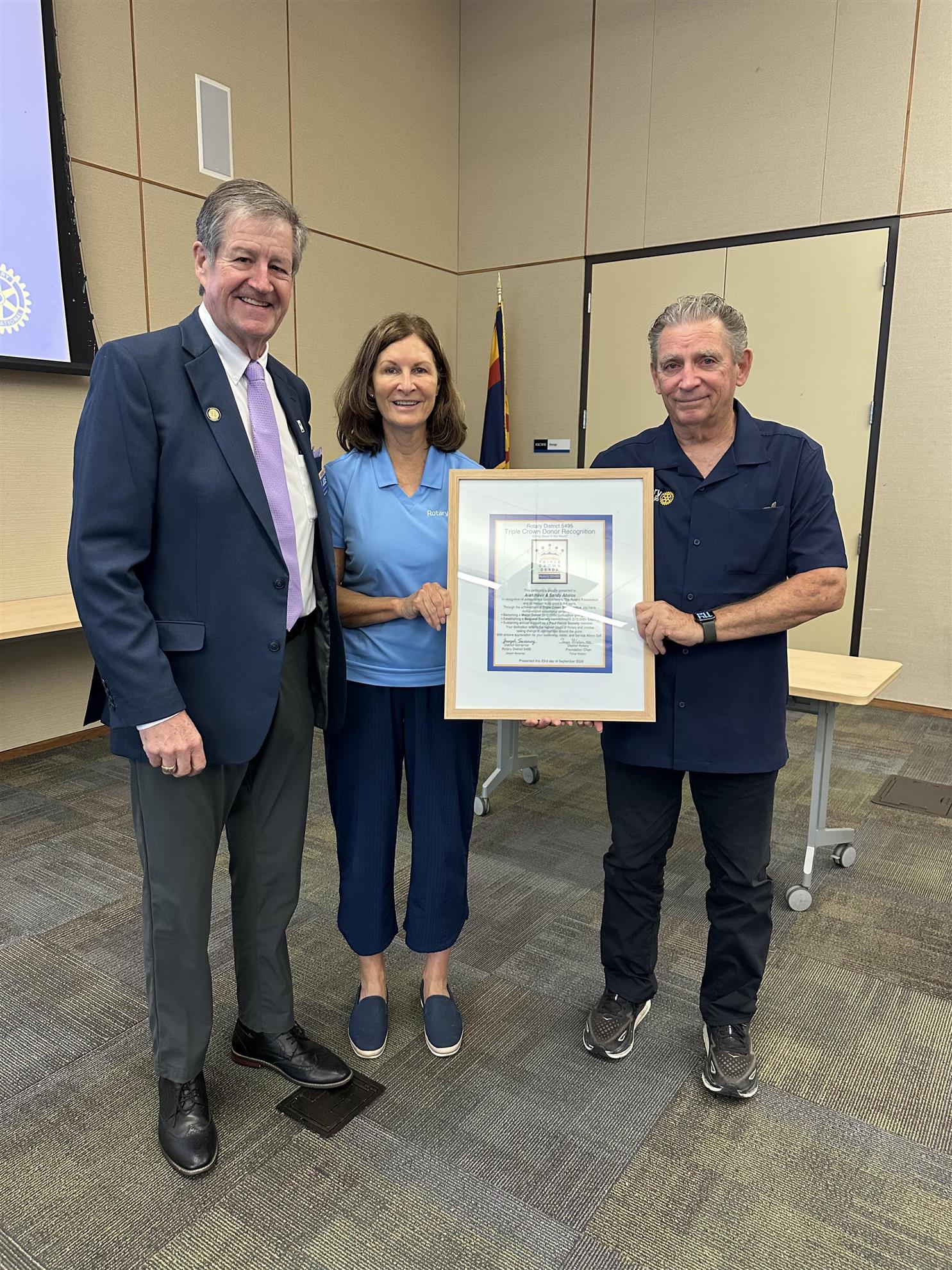
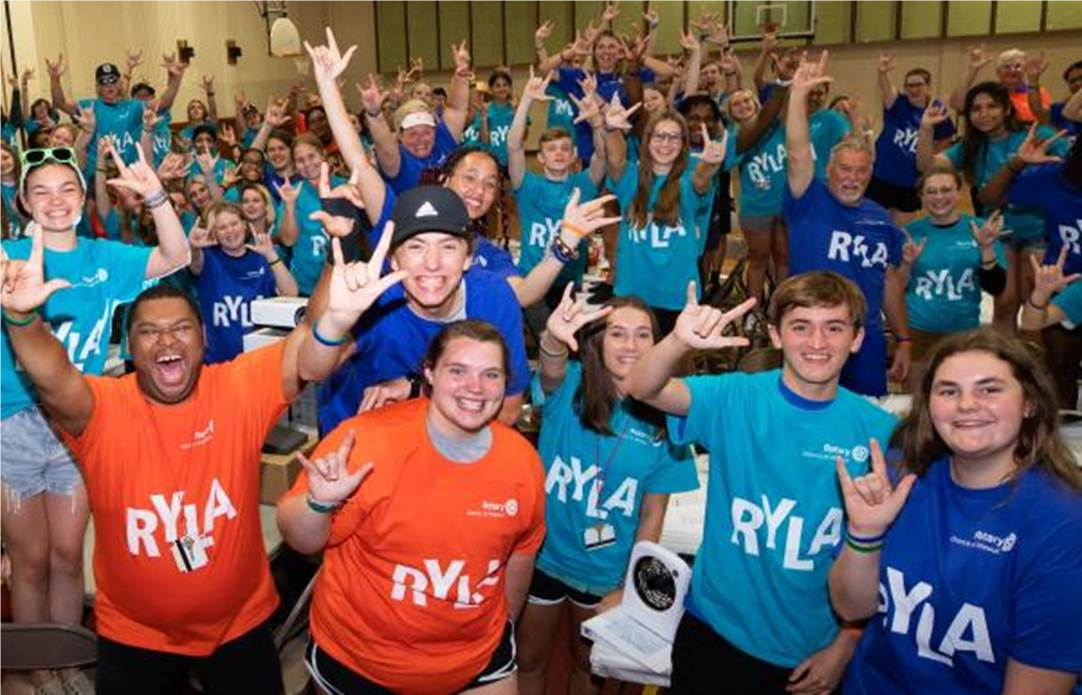
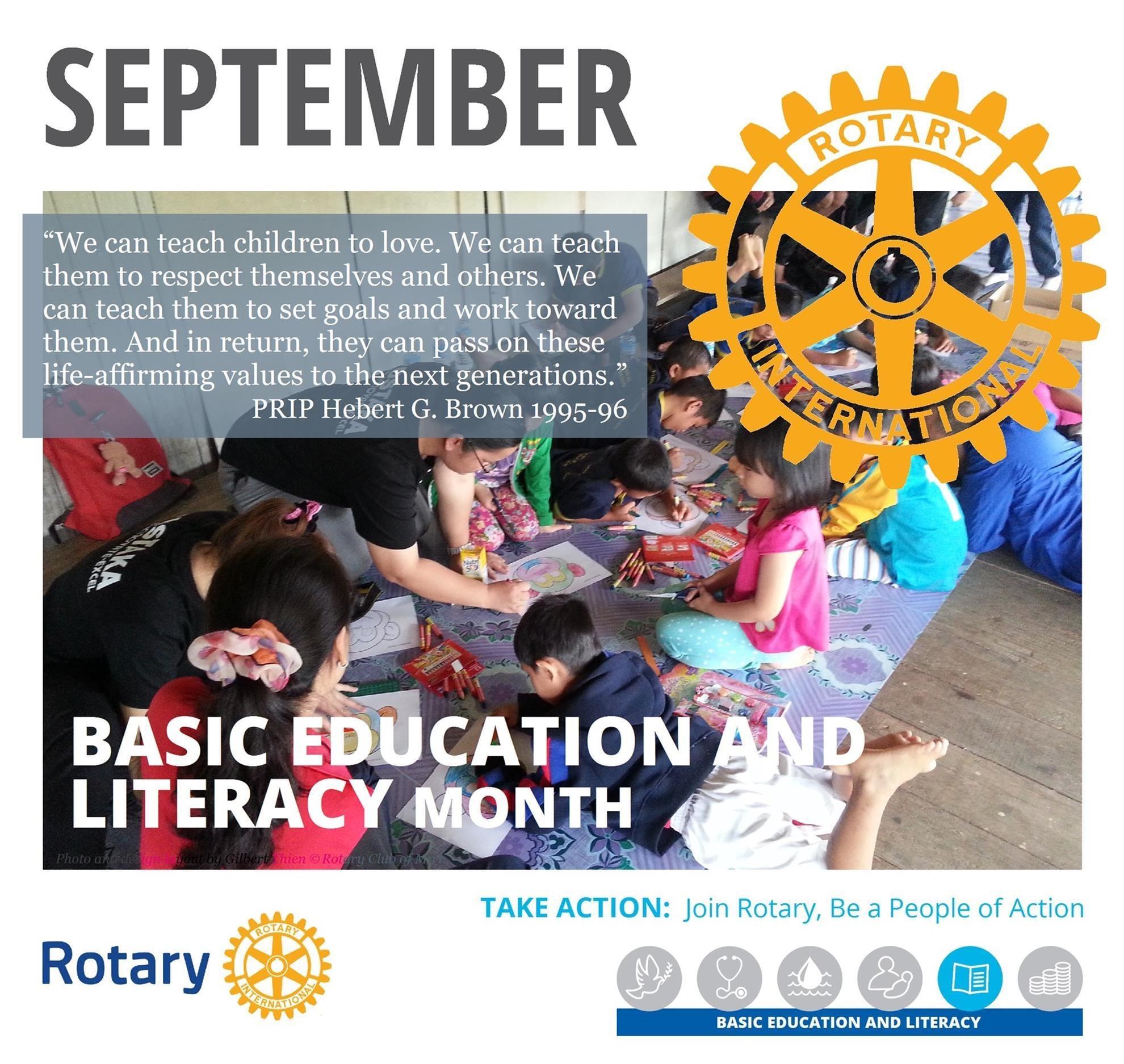

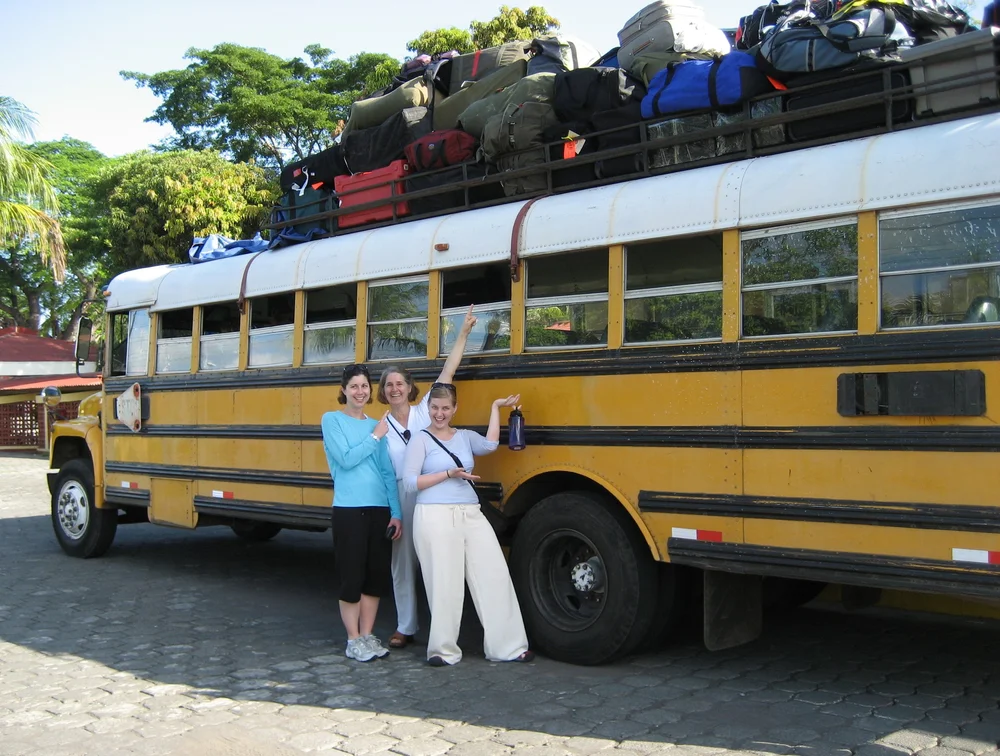
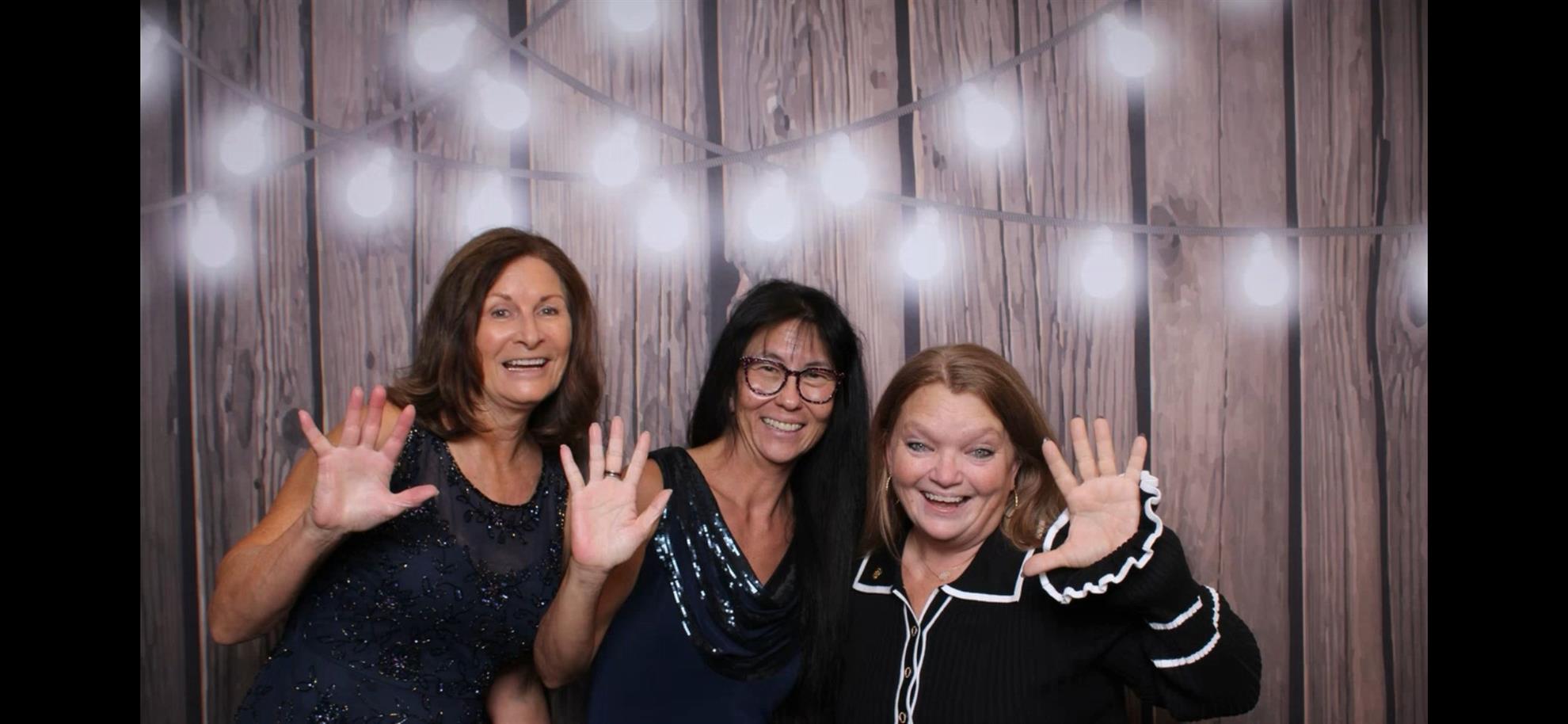
.jpg)
.jpg)
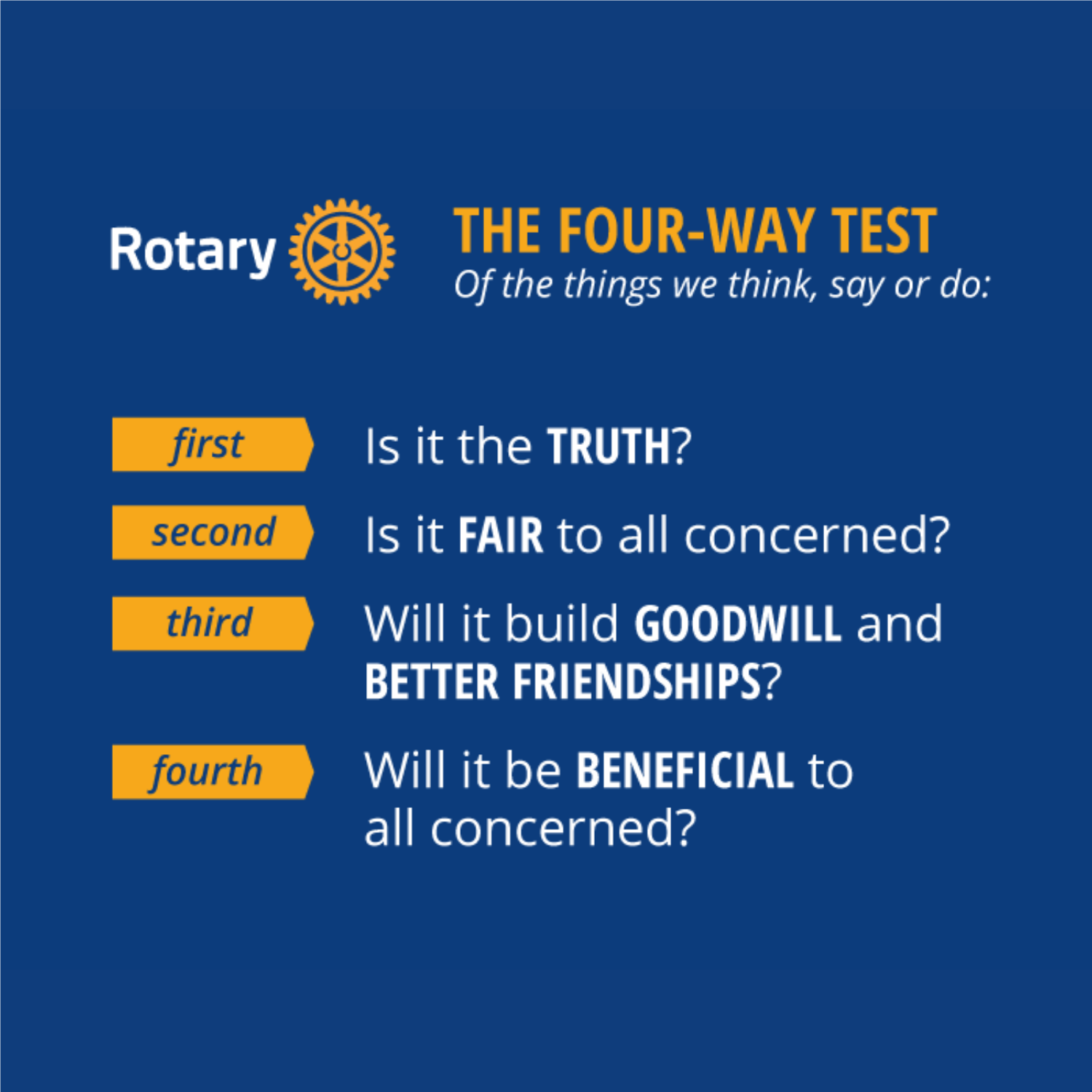
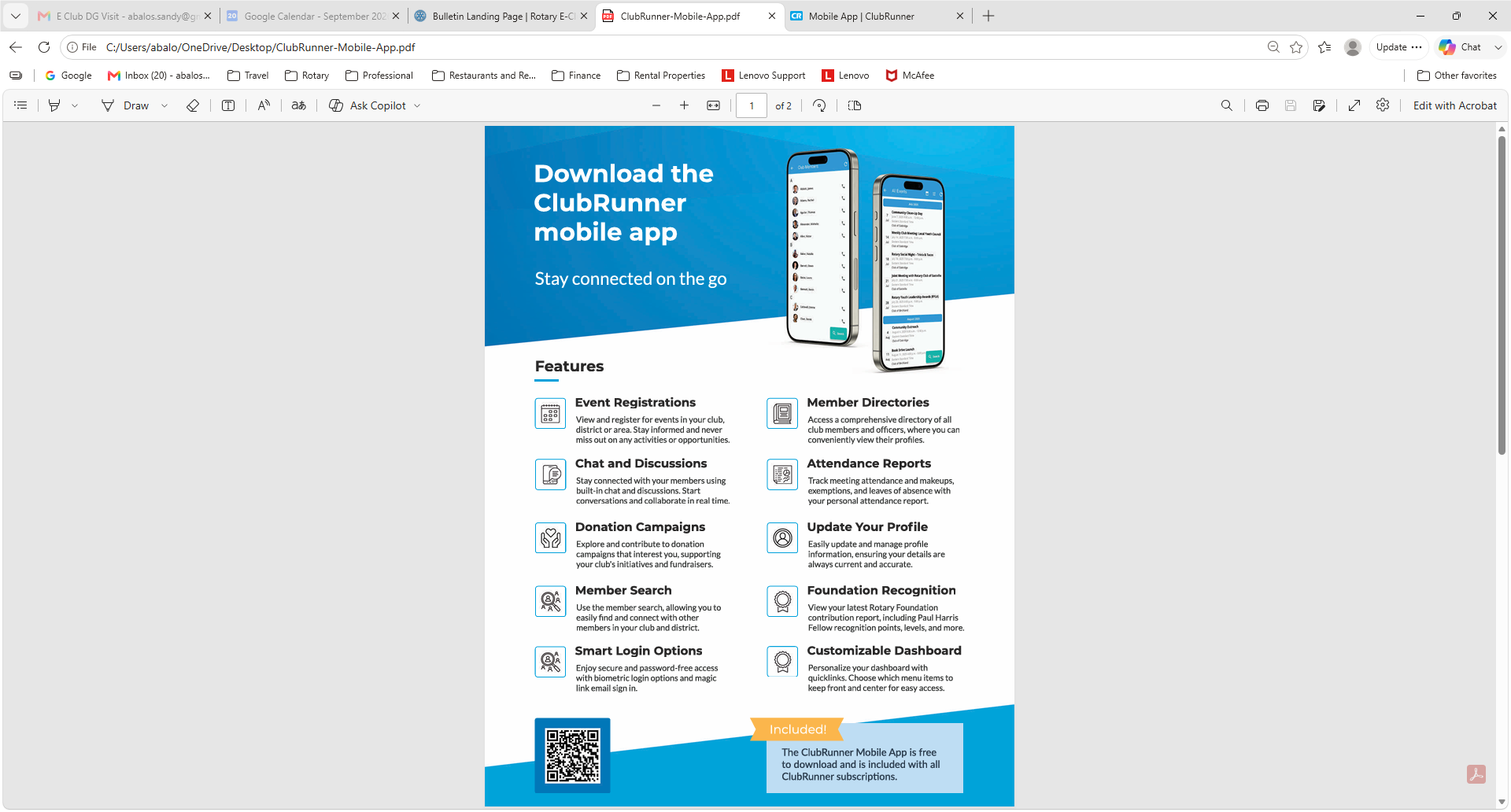
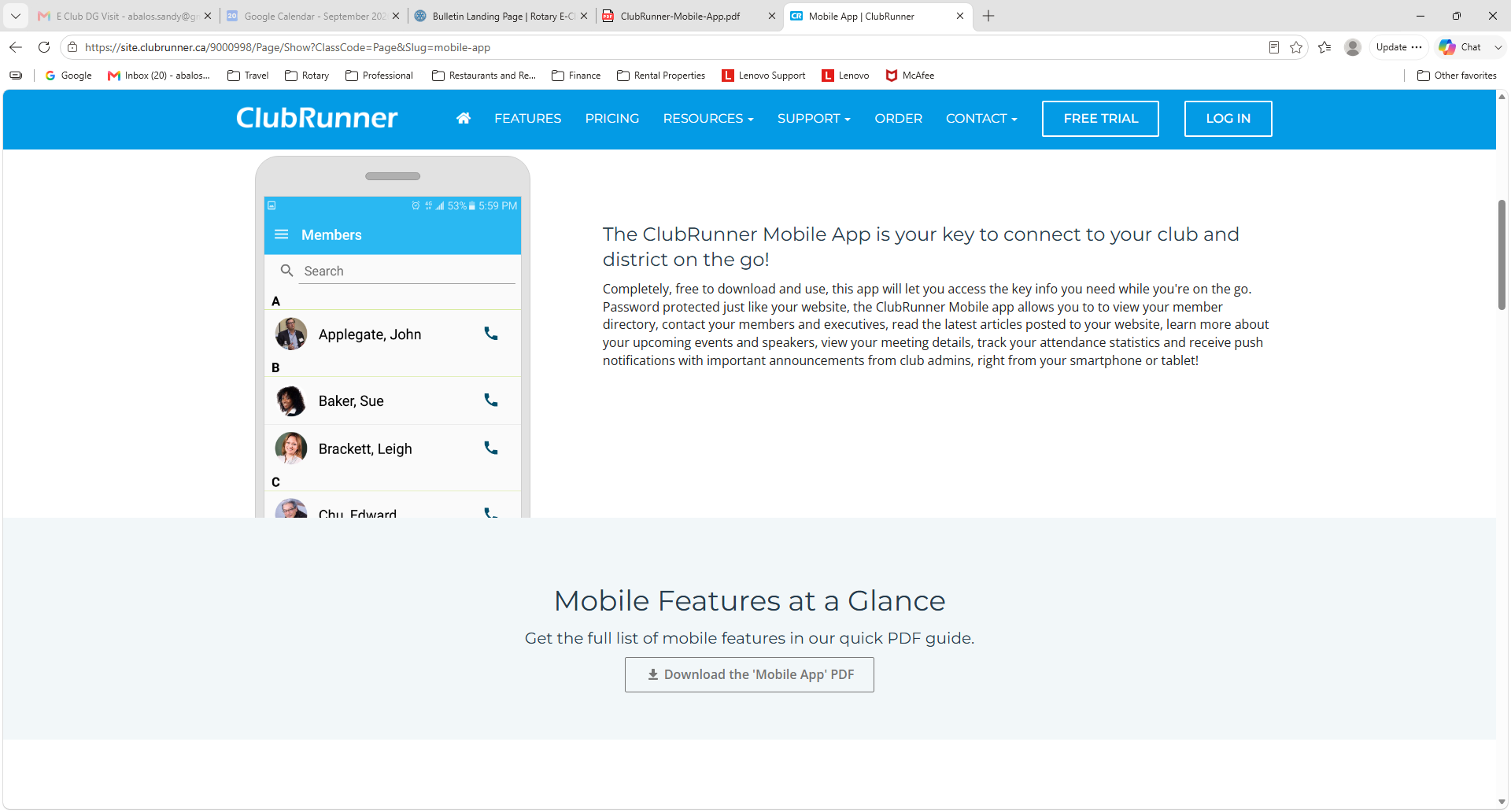

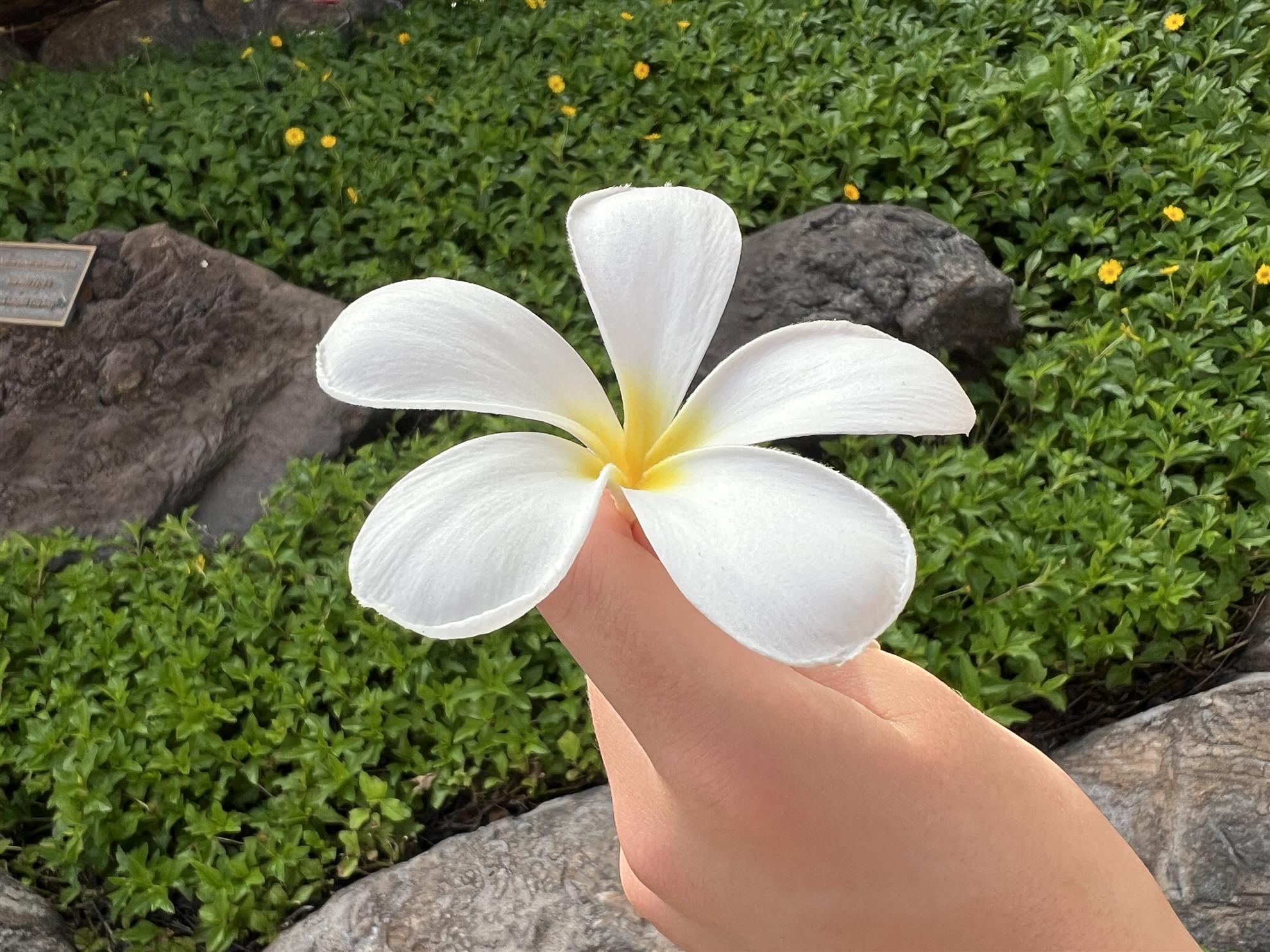
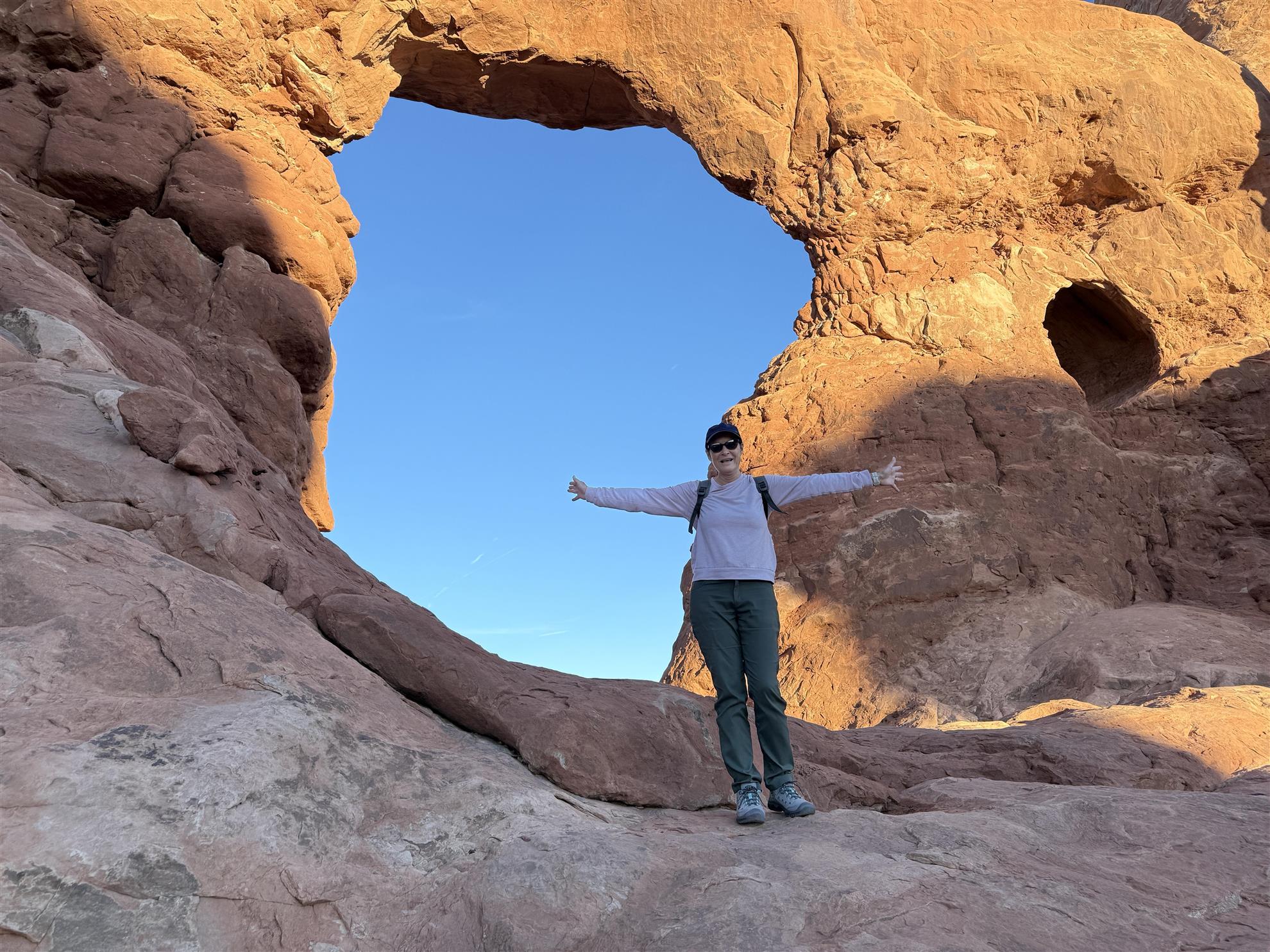



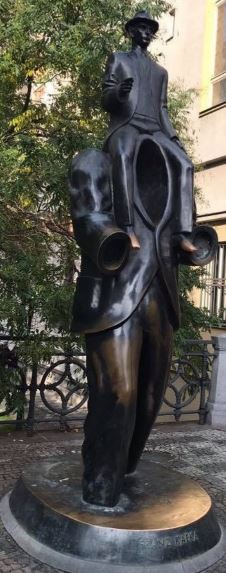
 A healthy club is one that is growing and changing. Having members with diverse perspectives and backgrounds will fuel innovation and give your club a broader understanding of your community’s needs.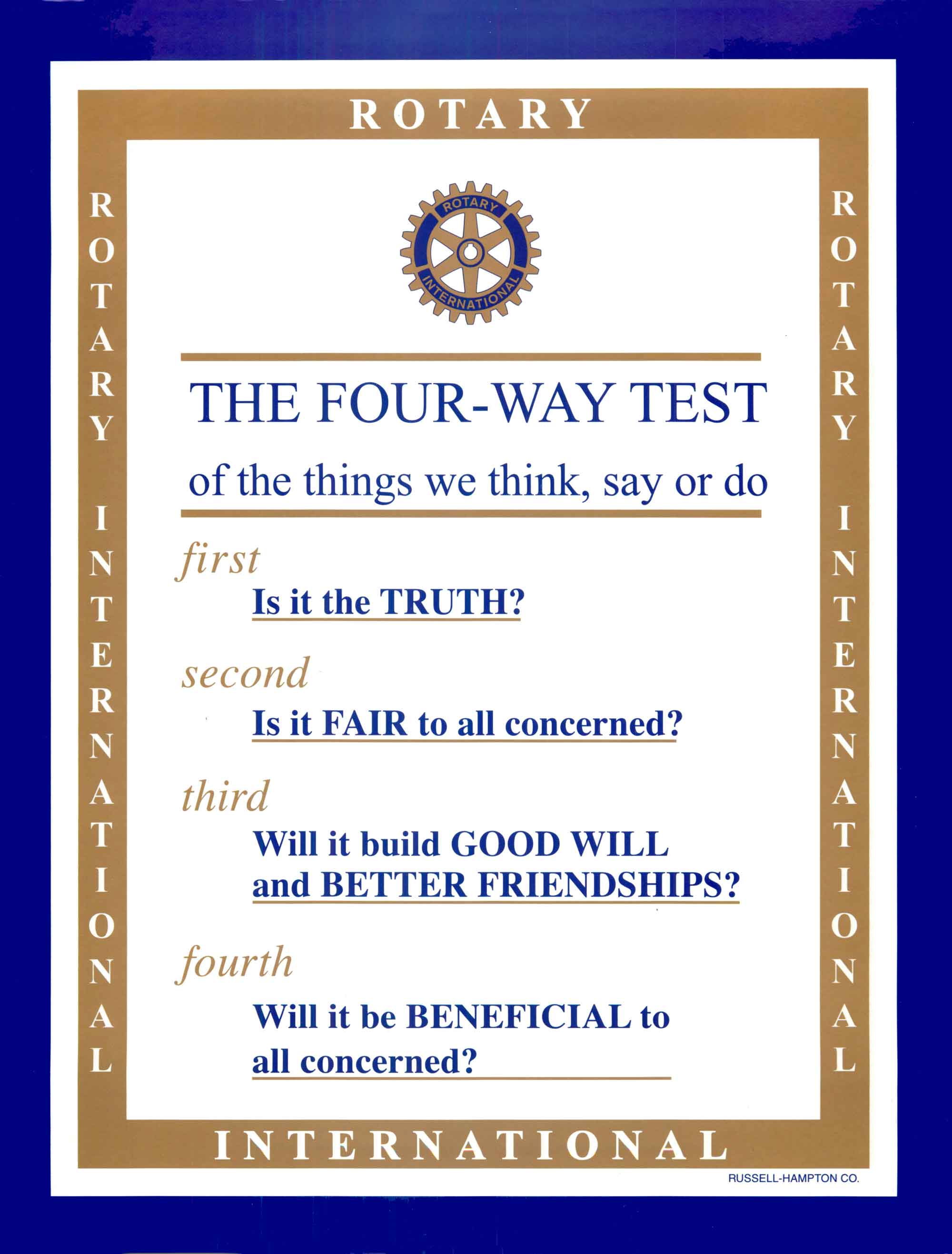


.JPG)
.jpg)
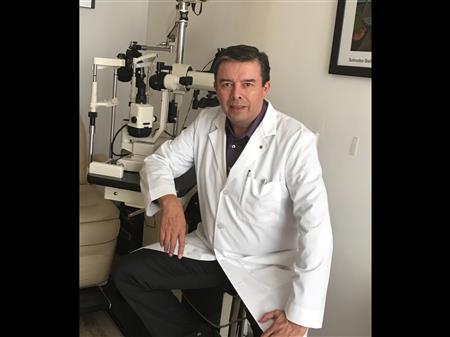

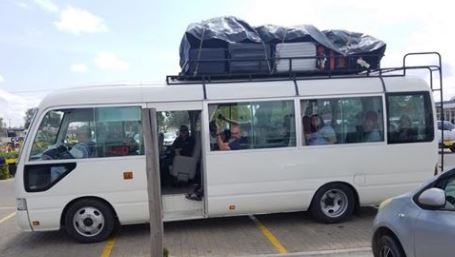


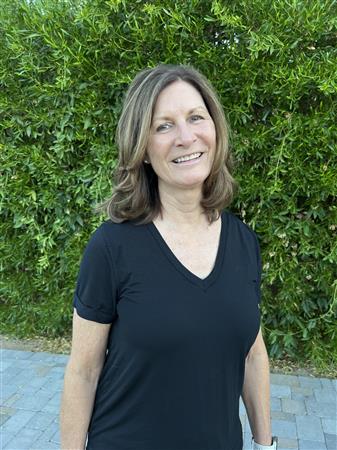
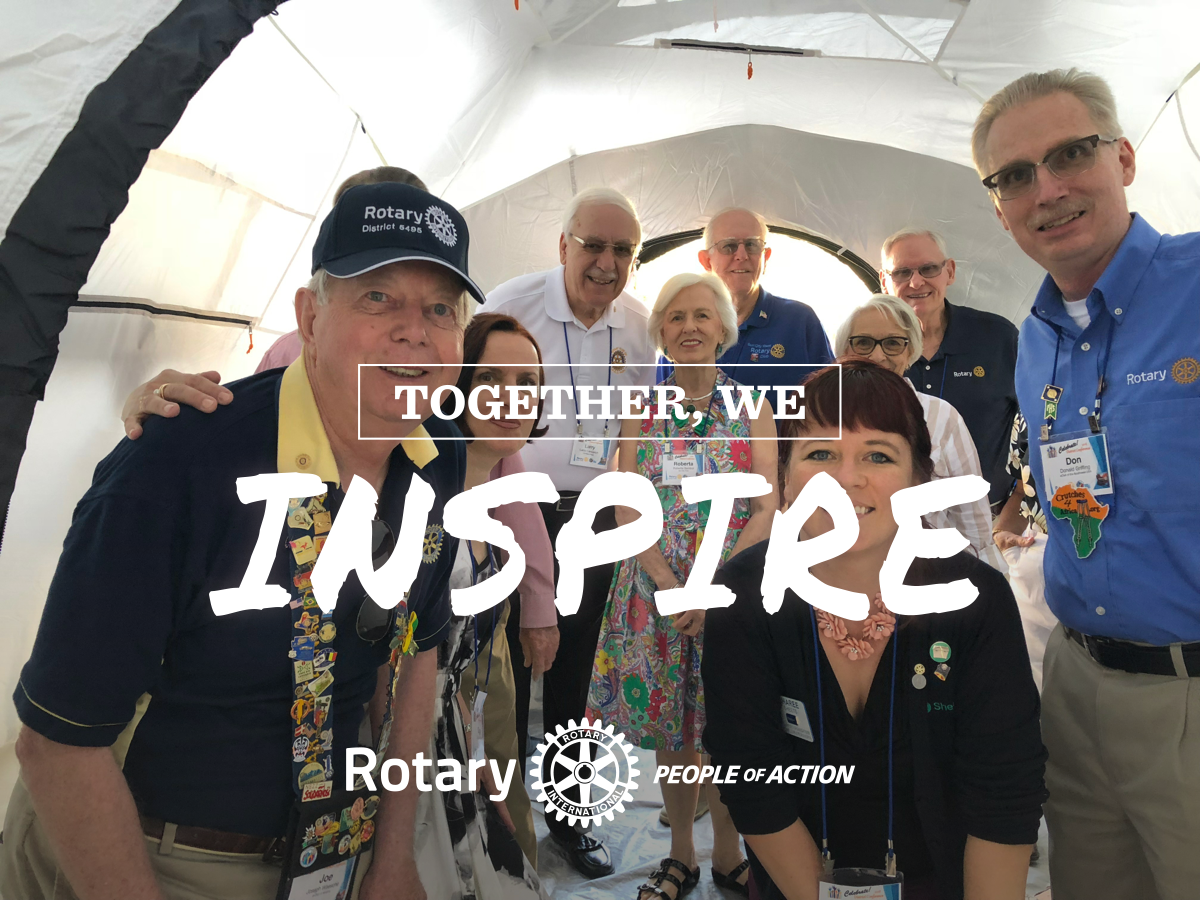

.jpg)

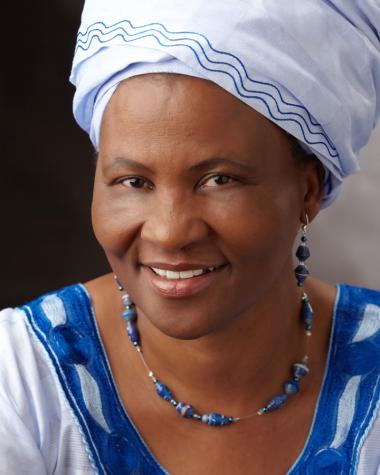
 Jerry Keith Traylor, motivational speaker and author who inspired countless individuals, passed away at Hospice of the Valley's Ryan House in Phoenix, Arizona on June 10, 2018.
 Life has been renewed for the community members of Buffujja and Naluhonjohe by two back-to-back water, sanitation, and hygiene projects coordinated by the


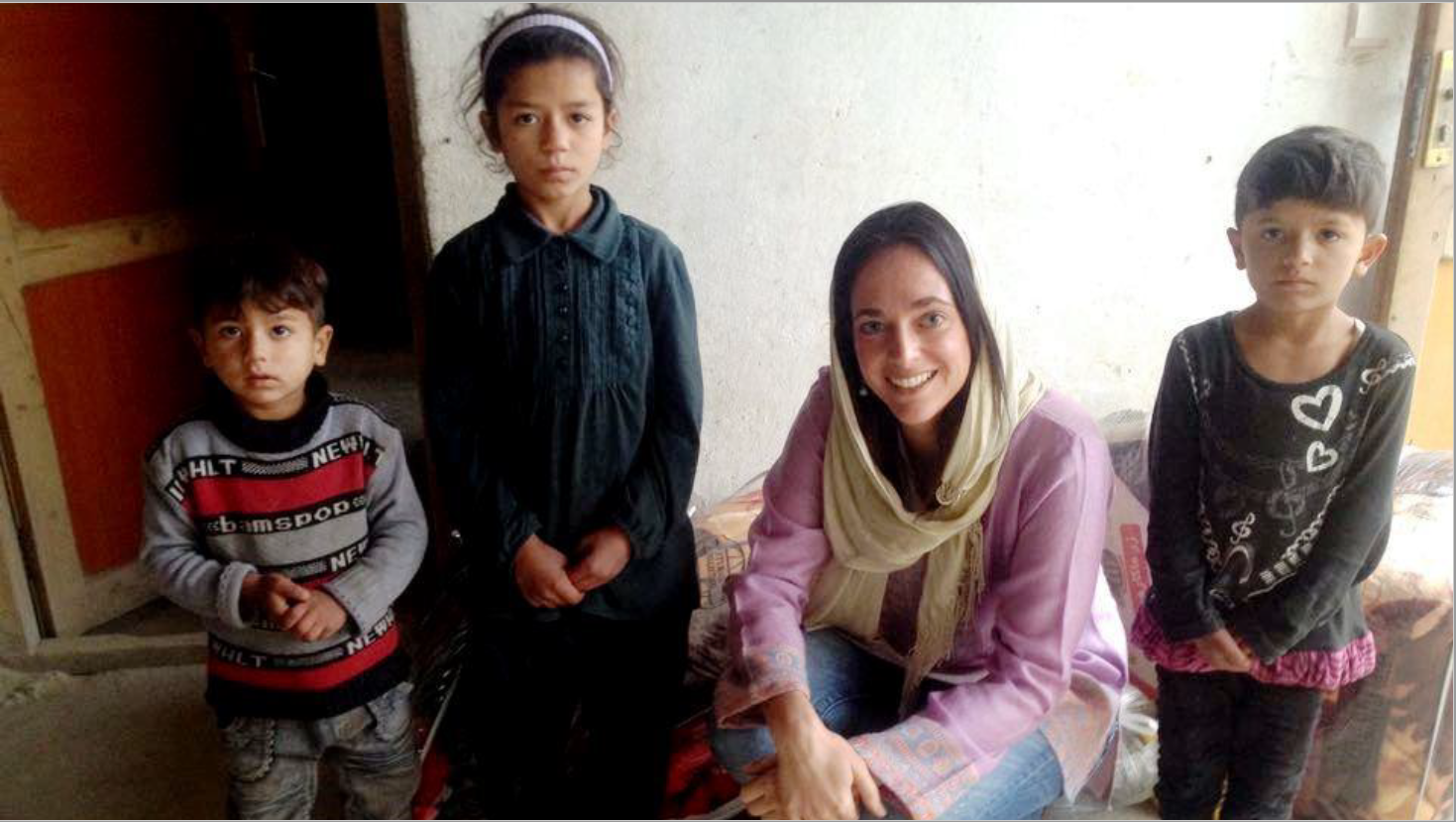

 On June 3rd, Guatemala was left reeling by the most violent and devastating volcanic eruption for 44 years. Volcán de Fuego spewed lava, ash, rocks and deadly hot gas onto hillside villages, killing at least 100 people. More than 12,000 people have been forced to flee their homes. The entire community of El Rodeo is said to be buried.

 The power of Rotary lies in the global network of community leaders and technical experts who share our mission to improve health, support education, and alleviate poverty. Working together, we achieve lasting change through the combination of local oversight and the resources of an international organization. Examples of the humanitarian service projects that ReCSWUSA has participated this Rotary Year are:
 Because our district aggressive seeks partners for projects through Foundation Grants, we are able to leverage a 1 USD donation into 7 USD to fund a service project. As we approach the end of the Rotary Year, please consider making a donation to The Rotary Foundation. You can make a one-time donation by completing the contribution form found at

)

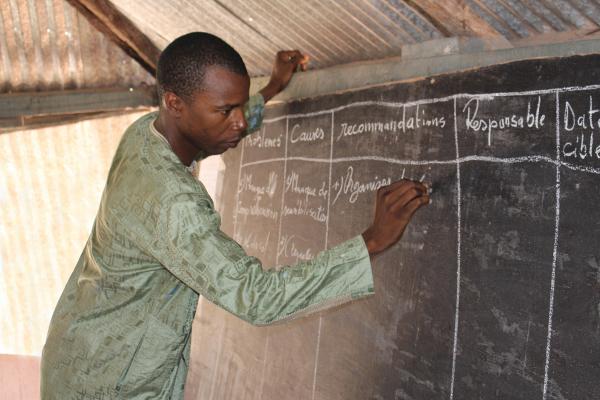

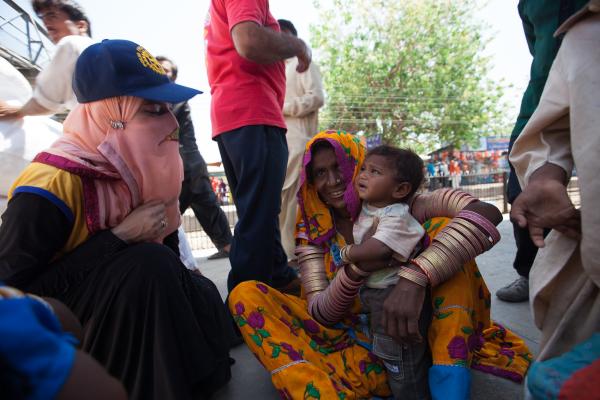
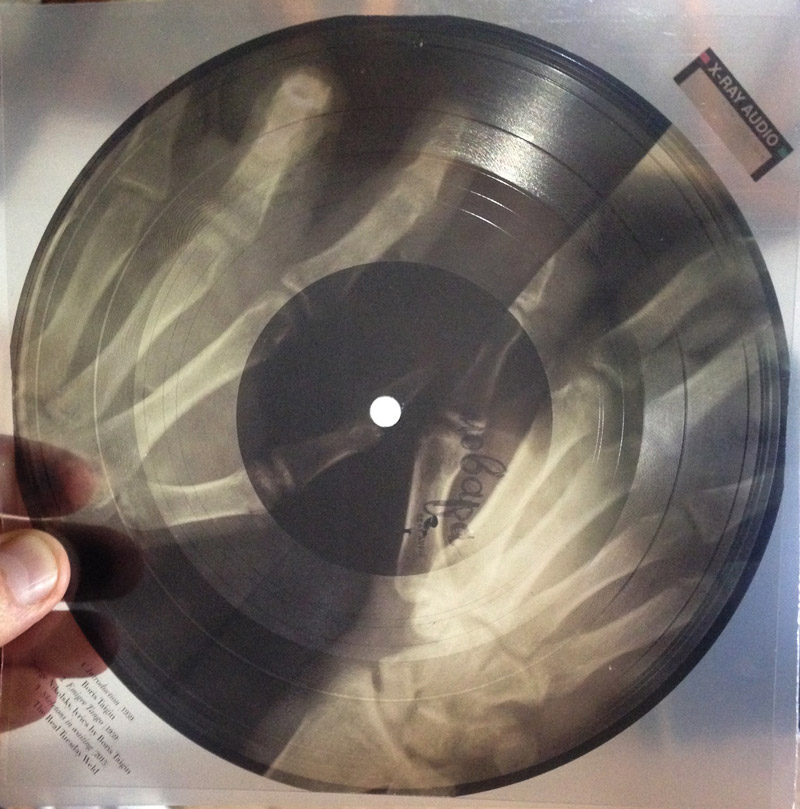
 The people have spoken. With a majority of internet user votes, Rotary.org won the prestigious Webby People’s Voice Award for best association website. The International Academy of Digital Arts and Sciences announced the winners on 24 April.





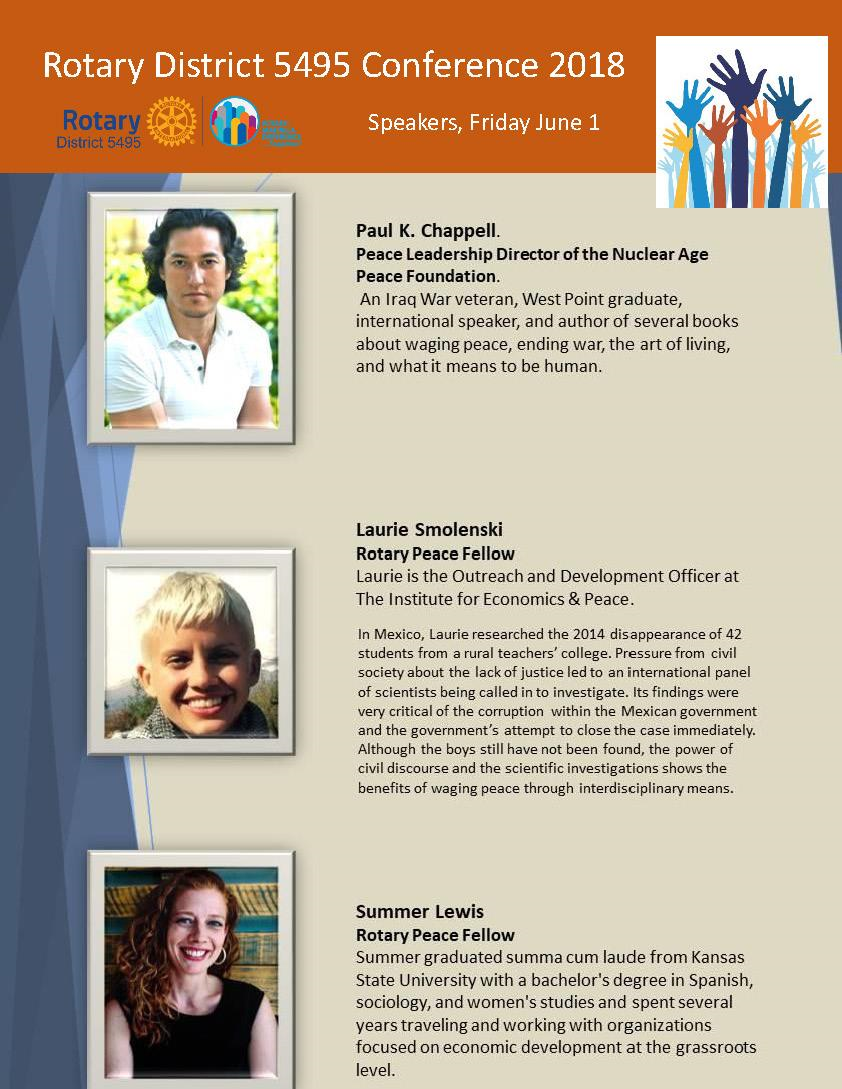



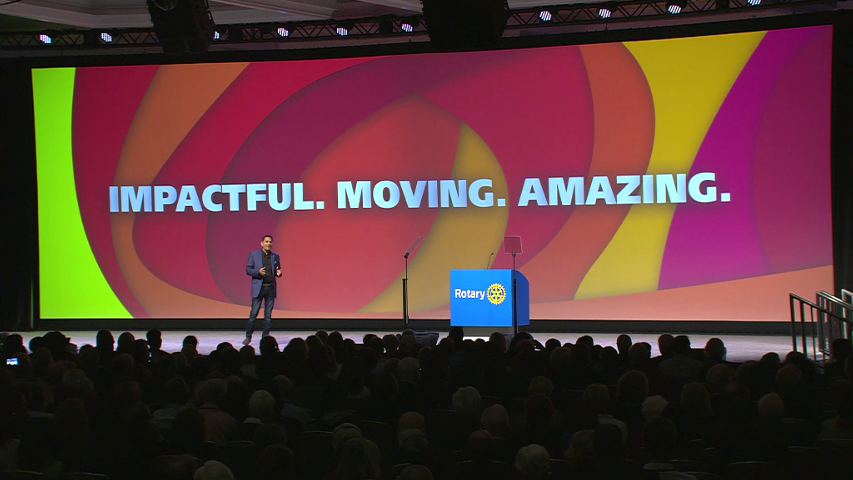
 At 54%, Guatemala has the highest malnutrition index in children younger than 5 years of age and has the highest chronic malnutrition index in Latin America and the Caribbean. Malnutrition in children increases the risk of decreased cognitive development and slows down their overall growth. This is a serious problem, mainly in rural areas of Guatemala.


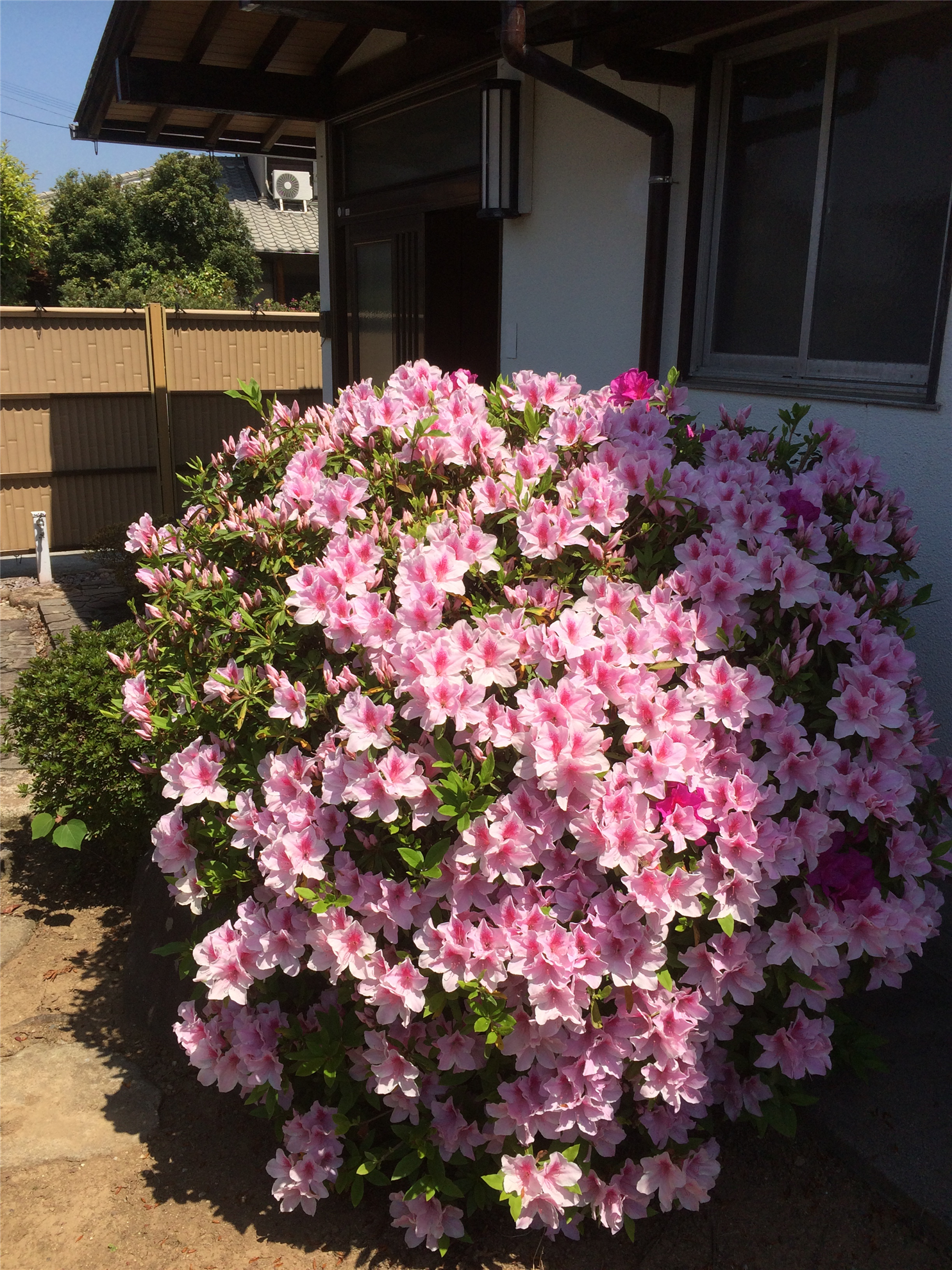


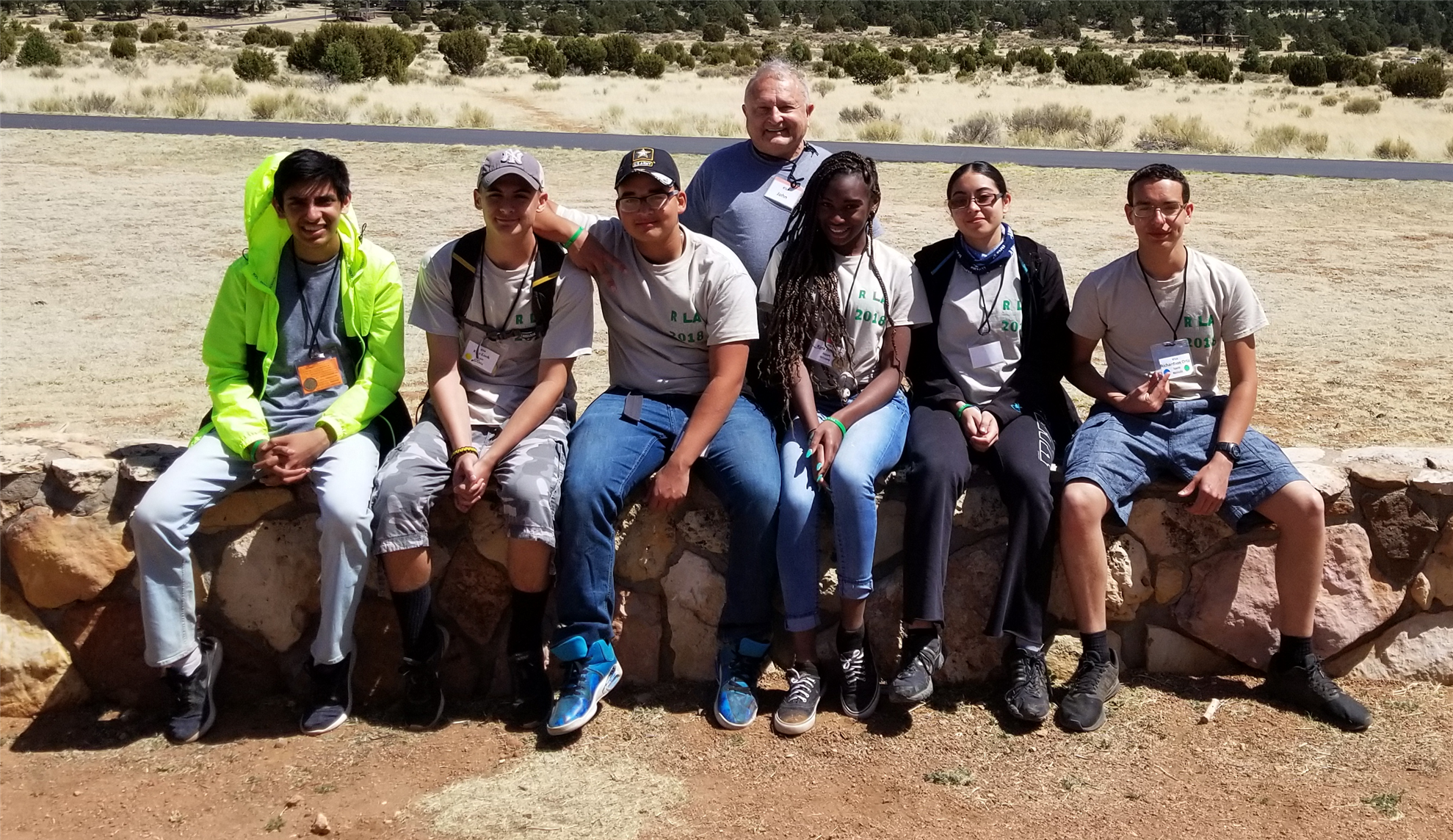


 Pleasant Valley Rotarian Rose Bonheur visits RadioRotary to tell about her seven medical missions to Puerto Rico, aided by her husband Roberto, also a Pleasant Valley Rotarian, and a host of volunteers. Dr. Bonheur is a Doctor of Nursing Practice and a Nurse Practitioner, so in 2010, when a terrible earthquake struck Haiti where Rose was born, her husband suggested that they bring medical help to the devastated island. That year, and each year since, the Bonheurs have put together a team to provide primary care for a location in Haiti where such care has been lacking. Well in advance of their arrival, Haitians with such medical problems as untreated diabetes sign up for the visit, being given a number for efficiency. Because of this kind of organization, Dr. Bonheur and her helpers are able to treat five to six hundred sick Haitians in a visit that is only about a week. The entire operation is funded by donations. This interview contains many fascinating details and stories about how the incoming team helps the patients.
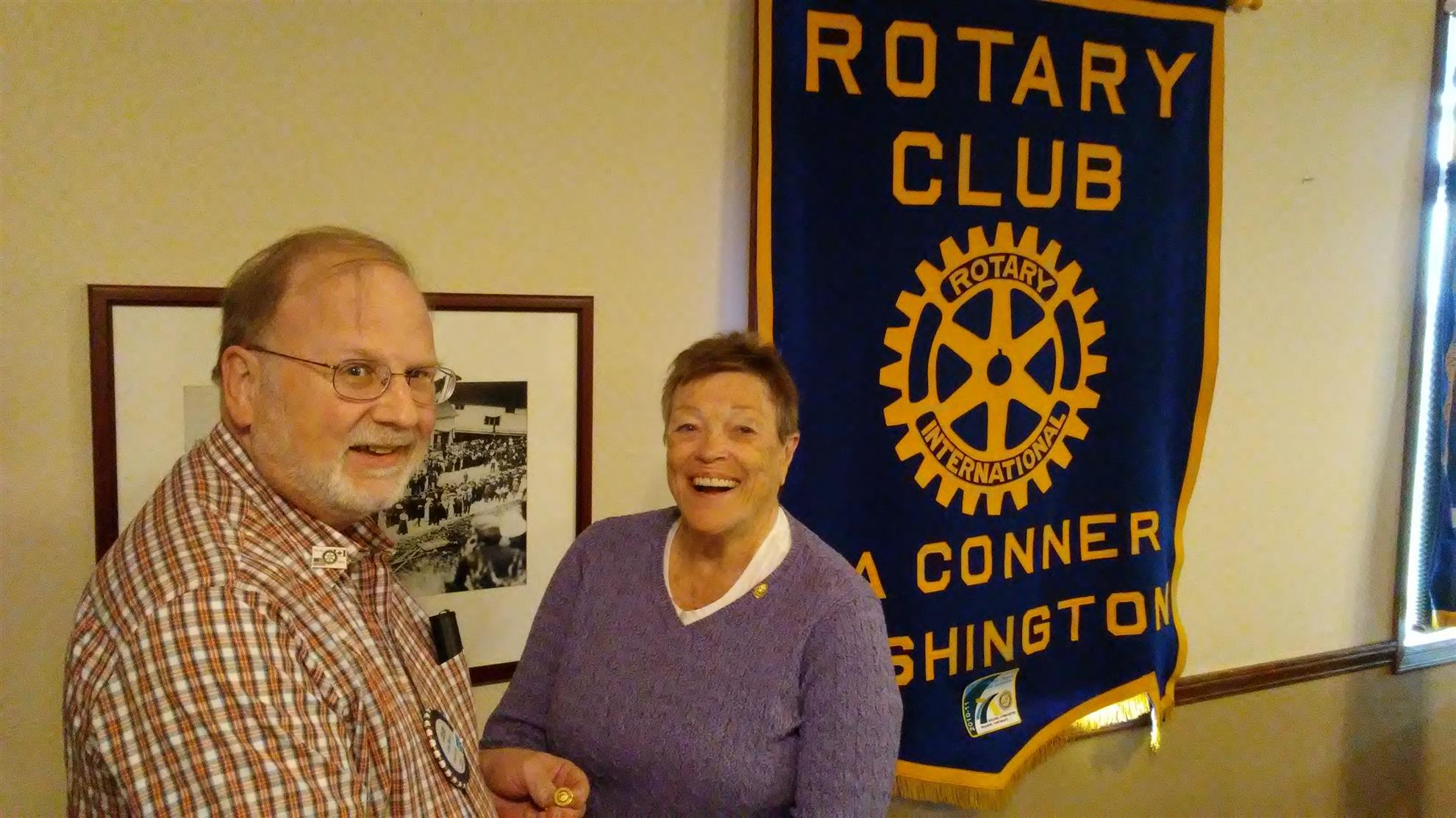
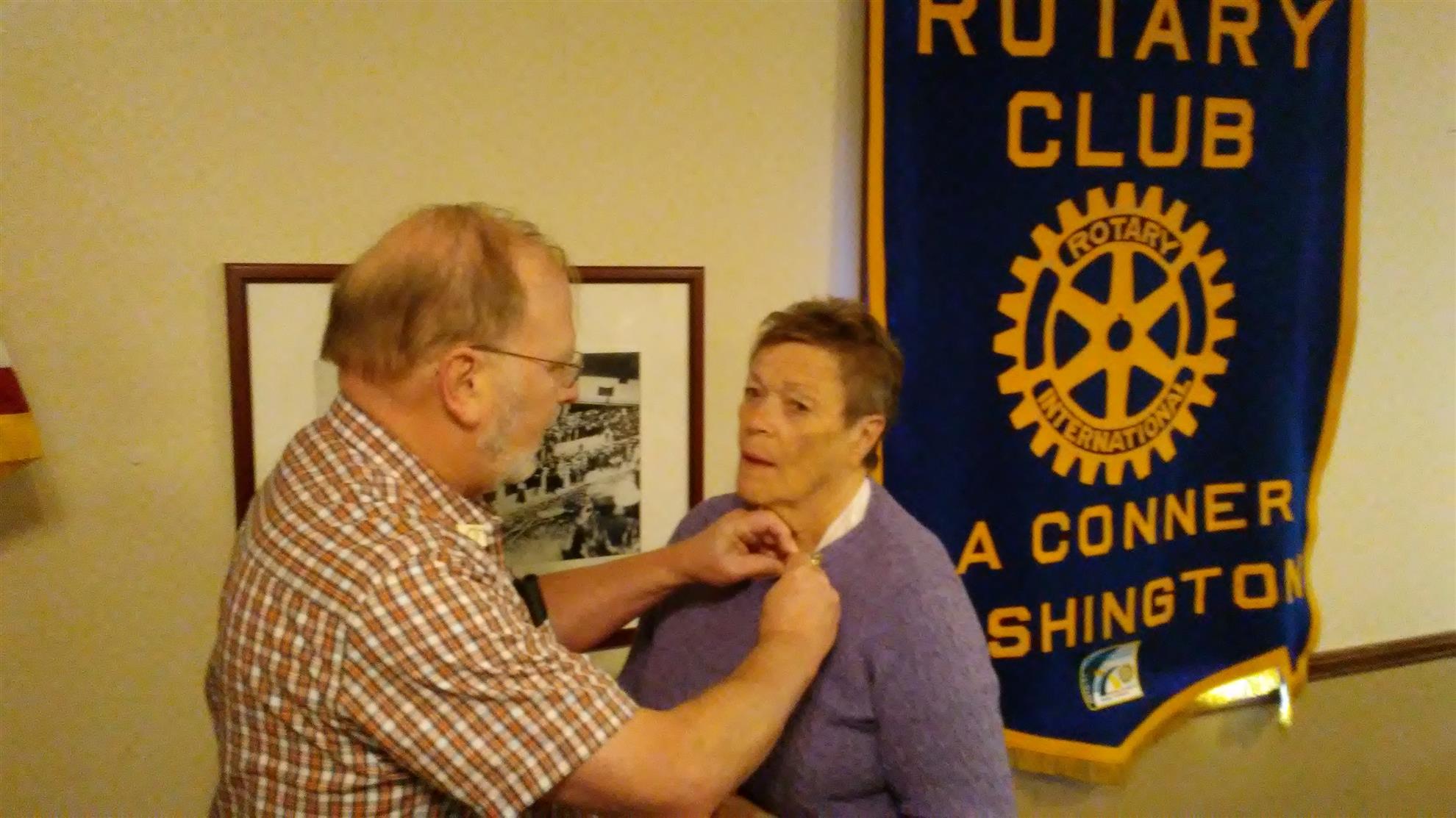




 In his keynote address at the Carolinas’ PETS on 11 April 2015, Rotary International Director Holger Knaack discussed the relationship between young professionals and Rotary. He commented that in Germany as in the US Rotary Clubs appear to be comfortable with being overaged. RID Holger talked about a study where the key learning included that the Rotary image is outdated and uninviting, that our identity and value proposition is unclear to young people.
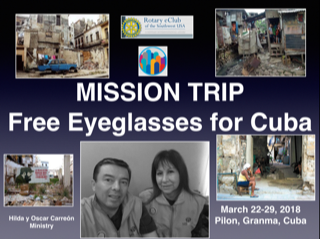 This week President-Elect Óscar Carreón García and his wife, Hilda, are giving their time, talents, and treasury in service to others in missionary outreach of the Seventh-day Adventist Church. This outreach includes the promotion of health and projects to improve living standards. Óscar and Hilda operate an ophthalmological center in Monterrey, Nuevo Leon, Mexico. Each year, they travel to a location where these services are not readily available. They are travelling to Cuba this year to distribute glasses. Contributions from our fellow eClub members in Monterrey and the Seventh-day Adventist Church helped to defray the costs of the glasses. Leading by example, PE Óscar is demonstrating Rotary: Making a Difference.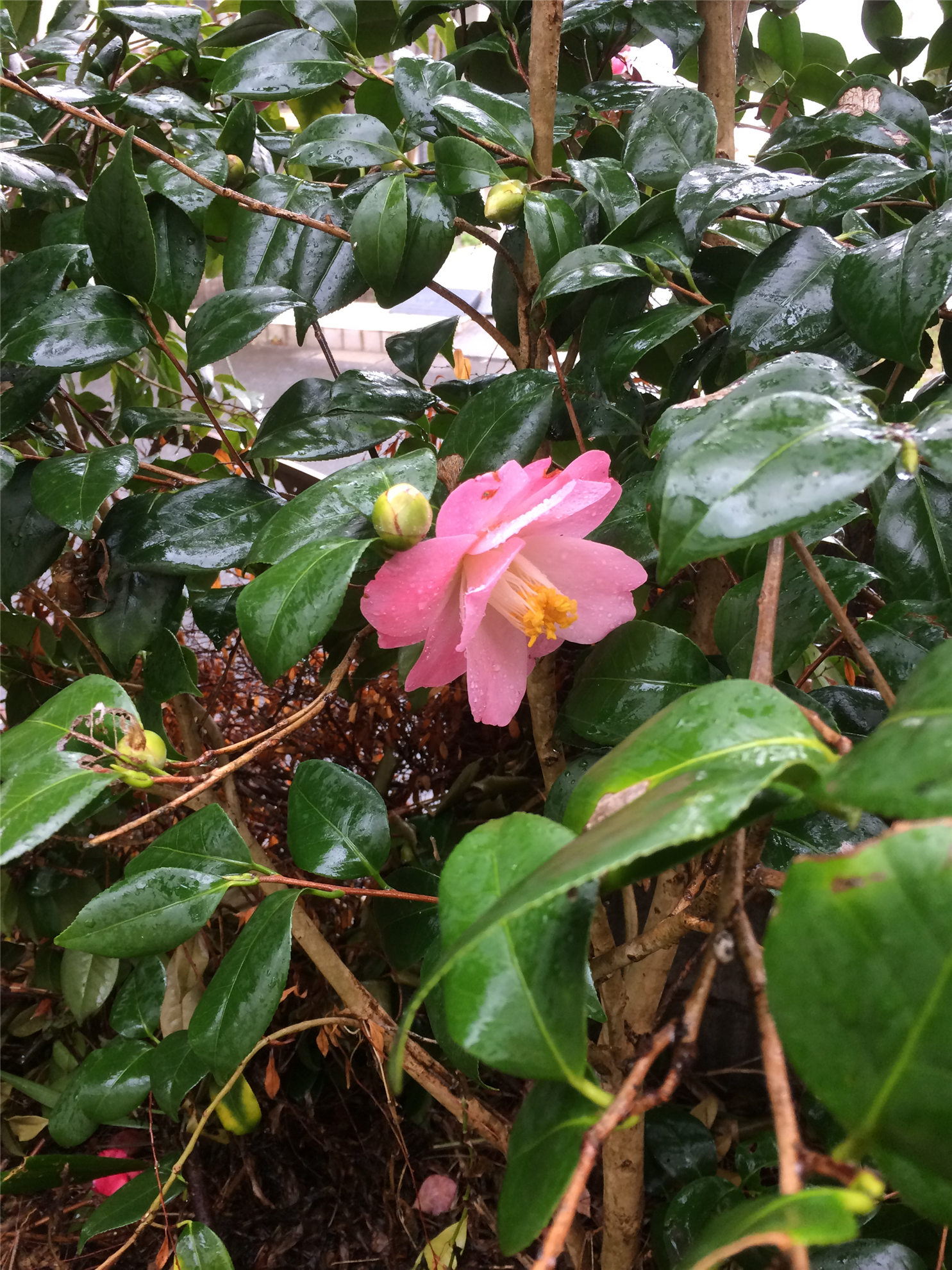

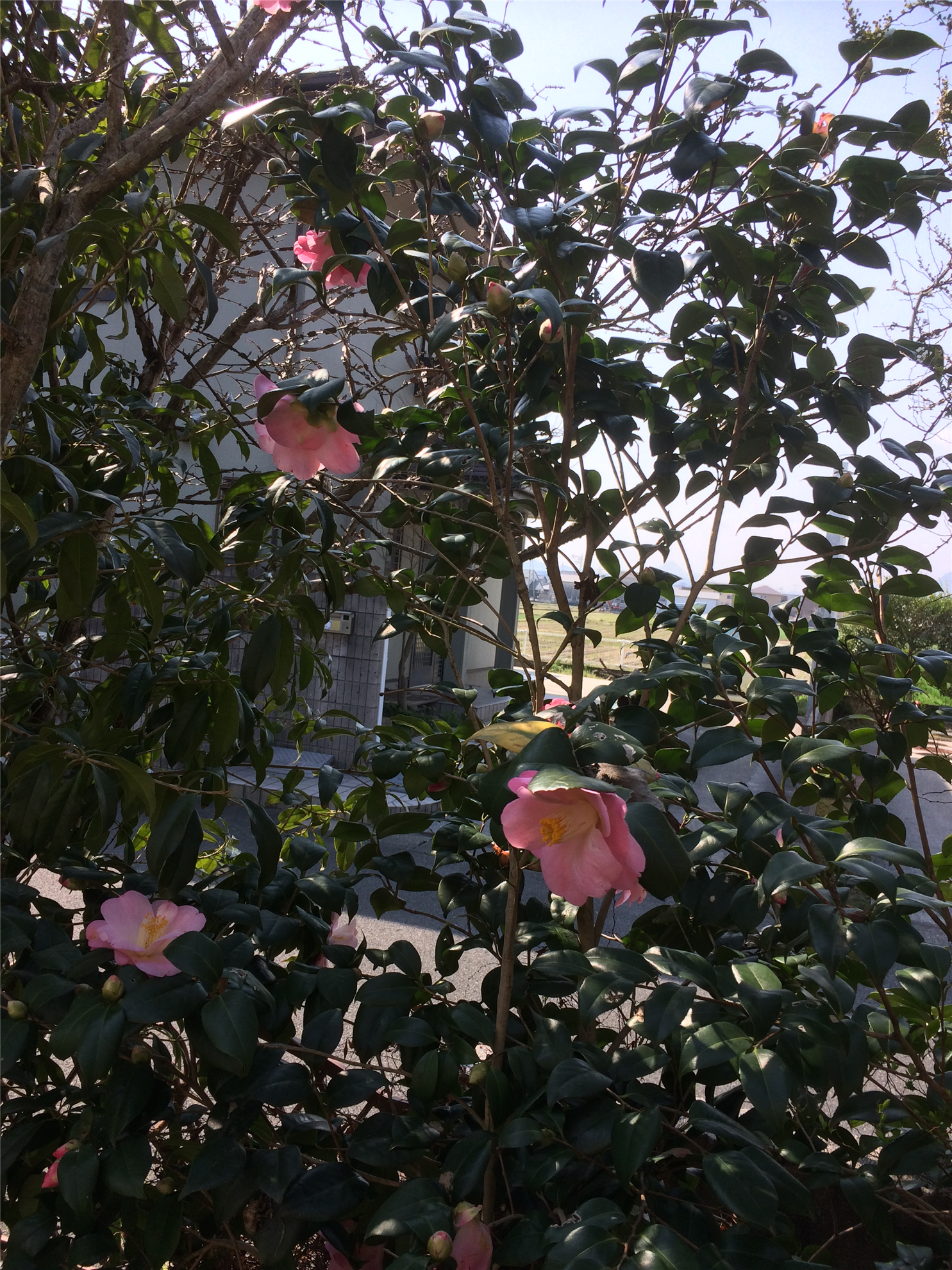
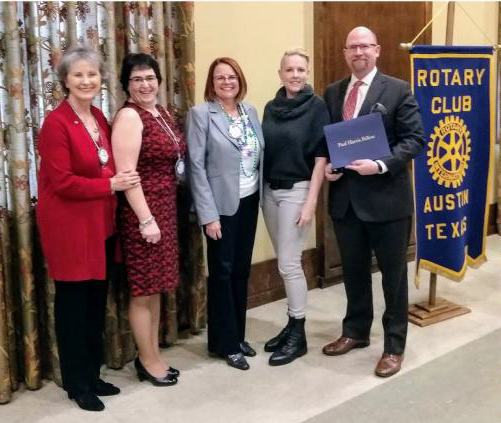
 In Rotary, this week we are celebrating World Rotaract Week, commemorating the charting of the first club on 13 March 1968 in Charlotte, North Carolina, US. Originally the name came by combine Rotary and Interact – the high school service organization creating by Rotary in 1962 – as the way to place focus on the development of young adults as leaders in their communities and workplaces. Since then, the name Rotaract has transitioned to be a shortening of Rotary in Action.

 One of the joys – and pains – of change is learning the new ways to perform tasks that were once familiar. One of those tasks is finding the contact information for our fellow eClubbers. With the move to our new web platform, we have a few options that are now available to us. As a member, you may view the profile photos and contact details of your fellow club members from the Member Area of the website. To access the Member Area, you will need to login link that is in the upper right corner of each page that is displayed in your favorite browser. Note: If you have forgotten your login name and/or password, there is a link which will direct you to a login retrieval page.
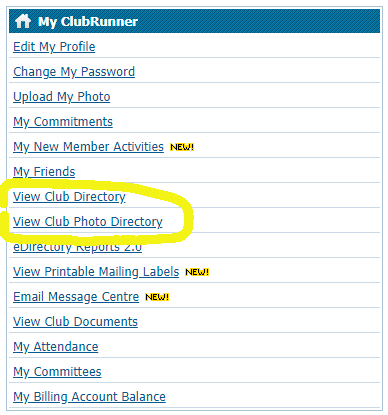 When you first enter the Member Area, you will be at the Administration page. There are a lot of tabs for other functions in the platform and panels with links. You are most interested in the My ClubRunner panel which is pictured to the right. The Club Directory is a list of all your fellow Club members in alphabetical order by last name. When you click on a member’s name, you will be taken to her/his profile. If you click on a member’s email, the browser will use your email client to start composing a message. There is a link that will create a printer friendly version if you would like a hard copy or PDF version of membership list.


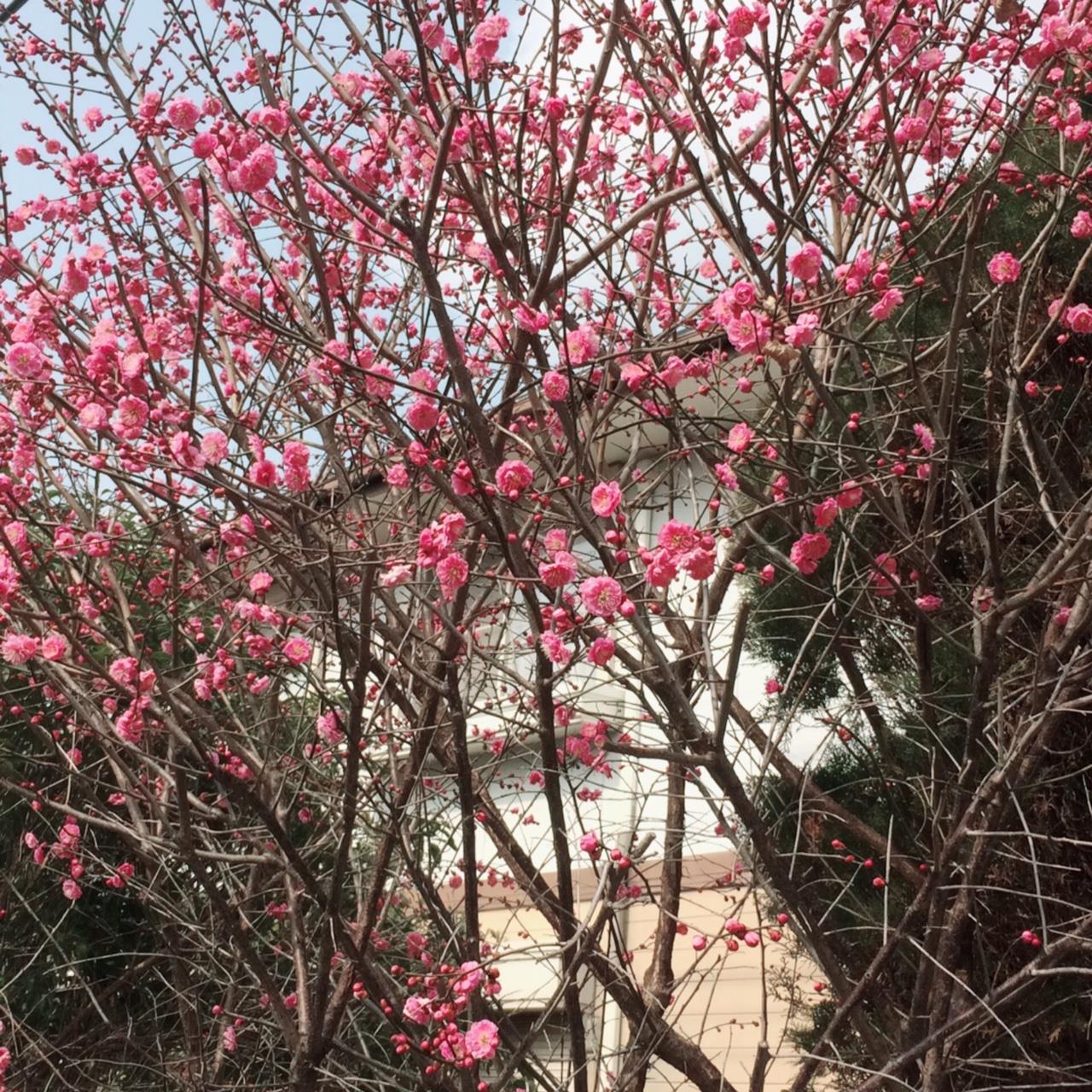





 Growing up as a young girl in the peaceful village of Qala-e-Malakh in Afghanistan, I was part of a loving family with ten brothers and sisters. We were happy, but little did we know that our lives would soon face devastation as the Soviets invaded Afghanistan in 1979. I was frightened and scared for my life and for the lives of my loved ones. Every time I heard shots or explosions, I trembled at the thought of losing a family member.